Get Full Government Meeting Transcripts, Videos, & Alerts Forever!
Get email alerts on the Child Protection topic
No spam. Unsubscribe anytime.
Utah House approves bill requiring paid IT workers to report illicit child images, with legal protections
Summary
The House passed first substitute HB 155 Feb. 16–17, 2016, requiring compensated computer technicians to report child exploitation images discovered in the scope of employment, while adding civil and criminal immunity for good-faith reporters and defining statutory triggers for reporting.
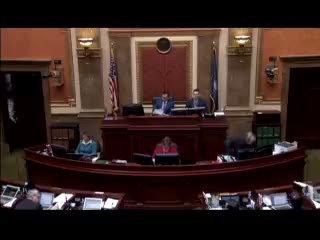
SALT LAKE CITY — The Utah House of Representatives on Feb. 16–17 passed first substitute House Bill 155, a measure that requires computer technicians who are paid for their work to report child exploitation images they encounter in the course of their employment to law enforcement.
Sponsor Representative Hall told the House the bill is narrowly targeted: technicians would not be required to search for illicit material but would have a duty to report if they "stumble across" images that meet the statutory definition. "This is not an outlier idea," Hall said, noting similar laws exist in at least a dozen states and likening the proposal to mandatory child-abuse reporting statutes.
The bill’s supporters pointed to a range of safeguards written into the draft. Hall and other proponents emphasized the bill includes a statutory defense when a technician reasonably believes an image does not depict a person under 18 and provides civil and criminal immunity to technicians who report in good faith. "There are protections in the bill for IT professionals," the sponsor said during floor debate.
Opponents and questioners raised practical and legal concerns. Representative Fossen asked how the measure would treat images deposited by malware or otherwise not created by the device’s user; Hall responded that, as drafted, the trigger for reporting applies regardless of how the image arrived and that federal reporting obligations may also apply. Representative Brian King queried what guidance the bill offers technicians asked to judge apparent age in ambiguous cases; sponsors pointed to the statute’s referenced definition for what constitutes reportable material and to the bill’s good-faith protections.
Other lawmakers warned of potential conflicts with separate bills designed to protect judges, jurors and other court personnel who must view such images during criminal proceedings. Representative Green pressed whether the act of turning over files to law enforcement could itself create exposure under exploitation statutes; sponsors said the bill includes immunity for reporters who act in good faith and that they worked with industry lawyers to craft language aimed at limiting that risk.
After extended floor debate the House voted 60–13 in favor of first substitute HB 155. The bill will be transmitted to the Senate for consideration.
What the bill does and what it does not do
Representative Hall said the duty is limited to compensated computer technicians and is triggered only when an image meets the statutory definition of exploitative content; casual discovery by a private citizen would not trigger the duty. The sponsor repeatedly said the bill does not require technicians to search through a device but to report images they encounter in the course of performing paid work.
Next steps
The bill will be transmitted to the Utah Senate for further consideration. The House sponsor said he continues to work with technology-industry stakeholders and law-enforcement partners on the statutory language and related protections.