Get Full Government Meeting Transcripts, Videos, & Alerts Forever!
Get email alerts on the Early Learning topic
No spam. Unsubscribe anytime.
House passes expanded early-learning grants to boost kindergarten readiness
Summary
The Utah House passed first substitute House Bill 42 on Feb. 11, 2016, authorizing an additional $10 million competitive grant program to expand an optional enhanced/extended kindergarten program and requiring districts to report outcomes; the measure passed 58–16 and is headed to the Senate.
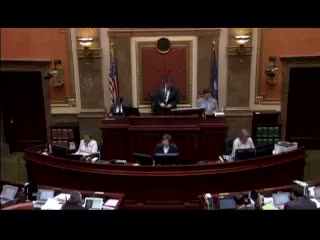
Representative Snow moved to uncircle and presented first substitute House Bill 42, describing an expansion of the state’s optional enhanced kindergarten program and a $10 million grant to be administered by the State Office of Education. Snow said districts would apply, demonstrate need and program quality, and report outcomes so the program’s effectiveness could be tracked. "We have a chance to plant a tree today that we won't have to wait 20 years for it to begin bearing fruit," Snow said, urging support for funding that would begin next fall.
Several members voiced support on data and fiscal grounds. Representative Stratton called the bill "data-driven" and said early intervention magnifies later returns. Representative Cutler and Representative Hemingway described classroom observations and social benefits for children who arrive unprepared for kindergarten. Representative Arrant and others cited research, including a report from the Annie E. Casey Foundation, that links early reading skills to later academic success. Snow said the current base program is funded at about $7.5 million and the proposal supplements that with a $10 million grant program.
The bill preserves parental choice: parents may decline the program for their child, the sponsor said, and participating districts must track and report results. Snow emphasized that the grant requires districts to demonstrate need, program quality and reporting plans. After discussion and summation, the House voted; first substitute House Bill 42 passed the House 58–16 and will be transmitted to the Senate for consideration.
Next steps: the bill moves to the Senate for further action; the House record indicates funding decisions will be addressed as part of later budget deliberations.