Get Full Government Meeting Transcripts, Videos, & Alerts Forever!
Get email alerts on the Referendum topic
No spam. Unsubscribe anytime.
House rejects bill to alter referendum timing and application process
Summary
The House defeated Second Substitute HB 11, a measure to clarify timelines for referendum petitions and preserve citizens— access to the process; supporters argued it restored fairness under Article VI of the Utah Constitution while opponents said it risked easing direct-democracy procedures. The substitute failed 32-38.
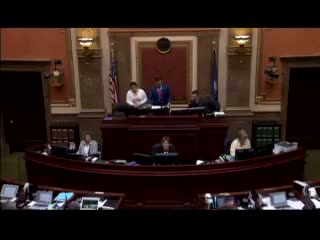
The Utah House rejected a proposal Tuesday to change statutory timelines for referendum petitions, voting down Second Substitute House Bill 11 on a 32-38 vote.
Representative Fred Cox moved to uncircle the second substitute and said the measure was intended to clarify the period in which groups can submit a referendum application following a bill's final processing. Cox framed the change as a safeguard to "protect the right of the people" to pursue referenda under the state constitution.
Supporters, including Representative Green, cited Article VI of the Utah Constitution and recent court precedent to argue the change restores procedural fairness; Green referenced the state Supreme Court—s 2012 Carter v. Lehi decision on the people's legislative authority. Opponents, like Representative Hawkes, argued the bill would effectively make the referendum and initiative process easier and warned of unintended consequences from expanding direct-democracy access.
After back-and-forth floor debate emphasizing constitutional protection for citizen referenda and concerns about making the process simpler, the House voted the substitute down 32 yes to 38 no. The failed motion sends the second substitute to staff for filing.
The debate highlighted differing philosophies about direct democracy: supporters emphasized access and constitutional rights while detractors emphasized the founders— intent to check direct popular lawmaking.