Get Full Government Meeting Transcripts, Videos, & Alerts Forever!
Get email alerts on the Human Trafficking topic
No spam. Unsubscribe anytime.
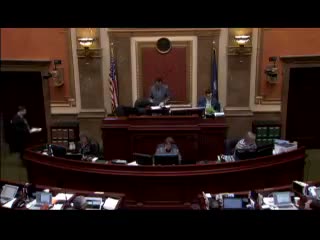
Utah House adds human trafficking to list of offenses prosecutors could seek capital penalties for in some deaths
Summary
First substitute HB136 passed the House 44–28 to let county prosecutors seek capital or life‑without‑parole penalties where human trafficking leads to death; sponsors described it as a tool for the most serious cases while opponents questioned deterrence, constitutional exposure and cost.
Representative Ray told the House first substitute HB136 would add human trafficking, aggravated human trafficking and child human trafficking to sections of the criminal code that permit prosecutors to charge certain deaths as capital or other aggravated homicide offenses. Ray said the change would not mandate death-penalty prosecutions but would give county prosecutors a tool to seek capital charges in the most serious trafficking cases, contending that trafficking can be as heinous and premeditated as other offenses already listed in the code.
During questioning, Representative Fred Cox asked whether future removal of the death penalty would make those cases fall into the same life-without-parole category; Ray said that would be the practical outcome. Representative Brian King challenged proponents for empirical evidence that increasing capital exposure deters trafficking; Ray said he was not aware of evidence and framed the bill as providing prosecutorial options in particularly egregious cases. King also raised constitutional concerns and budgetary costs tied to capital prosecutions; he said he would vote no.
The House recorded a roll-call: first substitute HB136 passed 44–28 and was transmitted to the Senate.
The bill’s text and potential legal challenges were discussed but not resolved on the floor; proponents framed the measure as strengthening prosecutorial tools in the gravest cases, while opponents cited deterrence and fiscal concerns.