Get Full Government Meeting Transcripts, Videos, & Alerts Forever!
Get email alerts on the Care Facility Monitoring topic
No spam. Unsubscribe anytime.
House approves bill allowing resident-installed monitoring devices in care facilities with limits
Summary
The Utah House on Feb. 11 adopted a second substitute for HB 124 that allows residents in assisted‑living and care facilities to install monitoring devices under notice and security restrictions, and includes liability protections and other limits intended to balance privacy and accountability.
SALT LAKE CITY — The Utah House adopted a second substitute to House Bill 124 on Feb. 11 that creates a restricted option for residents of assisted‑living and similar care facilities to install monitoring devices inside private rooms.
Sponsor Representative Hawkes, explaining changes in the second substitute, said the revisions were designed to address questions raised in committee and concerns from industry while placing “some sideboards” around the practice. “We've worked hard on this bill to try to balance concerns expressed by industry with the needs and rights of patients,” Hawkes said.
The bill’s sponsor and supporters framed the measure as giving residents and families additional tools for oversight and safety. Hawkes said the device option is voluntary, requires residents to notify the facility, and includes multiple restrictions, such as prohibitions on broadcasting images over the internet to reduce the risk of remote misuse. “It's just an option for pay for residents,” Hawkes said, adding the measure is intended as an accountability tool and “a deterrent to theft, abuse and neglect.”
Several members spoke in support. Representative Chavez Houck thanked the sponsor for addressing a concern she raised about ensuring that legal representatives of roommates be informed when a device is installed. Representative Owens described a personal experience with a family member in assisted living and said cameras could provide needed accountability.
Representatives also questioned the scope of liability protections included in the substitute. Representative Anderson asked whether the bill shields a facility operator from lawsuits if a third party obtains or posts recorded material to the internet. Hawkes responded that the bill contains explicit language (lines 70–75 of the substitute) insulating facilities from liability for acts or omissions of third parties while preserving remedies when facility staff or agents misuse recordings: “Facilities can't be held liable for the acts or omissions of a third party … if they or their staff or agents were to misuse this information, then yes, there could be liability,” Hawkes said.
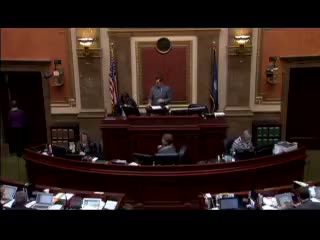
After brief discussion, the House voted. The House clerk announced that second substitute HB 124 received 73 yes votes, 0 no votes; the bill passed and will be transmitted to the Senate for consideration.
The second substitute retains multiple conditions on use: device installation must be requested by or on behalf of the resident, the facility must be notified, the device cannot broadcast over the internet, and the statute contains provisions aimed at limiting facility liability for third‑party misuse while preserving accountability for staff misconduct. The sponsor said the measure is not compulsory for facilities and is intended to add a layer of resident choice and family oversight.
The bill’s next step is transmittal to the Utah Senate.