Get Full Government Meeting Transcripts, Videos, & Alerts Forever!
Get email alerts on the Garnishment Restitution topic
No spam. Unsubscribe anytime.
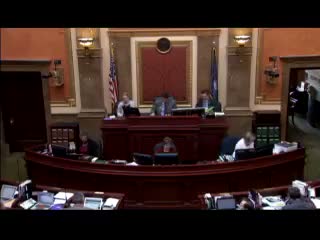
Utah House approves garnishment amendment to let judges seize certain benefits for child-victim restitution
Summary
Lawmakers passed HB 165 to allow courts to garnish some retirement or disability benefits to satisfy restitution ordered for felony child-sex offenses, sparking debate over federal-benefits preemption and whether the language is overly broad; the measure passed 59–11.
Representative D, sponsor of HB 165, told the House the bill is narrowly tailored to allow courts to collect restitution ordered for victims of felony sexual offenses against children by garnishing portions of certain retirement or disability benefits: "It may be garnished on behalf of a child victim if the person receiving the benefits has been convicted of a felony ... and ordered by the convicting court to pay restitution to the victim," he said.
Opponents warned the bill would not achieve the sponsor's purpose in all cases and could sweep in many people. Representative Tanner said the measure "cannot do the good that the sponsor would like to see" because federal benefits—such as veterans or federal disability payments—are governed by federal law and may be protected from state garnishment. Tanner also cautioned the bill "catches a lot more people" than intended and described the impact as taking "an artillery battery and taking out a whole battalion of people" who have various felony convictions.
Representative King and others questioned whether benefits that flow to dependents could be targeted and whether the drafting could result in garnishing money meant for a victim's dependent. Sponsor Representative D responded that the statute requires a convicting court to order restitution to the victim and that the bill was drafted to allow judges to determine where restitution should be paid. He also said federal law changed in February 2013 and that Utah needed to align with those federal changes to achieve the bill’s aims.
After extended debate on scope, federal preemption and drafting precision, the House voted to approve HB 165, 59–11. The bill will be transmitted to the Senate for further consideration.
Next steps: HB 165 moves to the Utah Senate for consideration; lawmakers did not amend the bill on the floor and did not instruct staff to prepare additional language during this session.