Get Full Government Meeting Transcripts, Videos, & Alerts Forever!
Get email alerts on the Sexual Offenses topic
No spam. Unsubscribe anytime.
House approves HIV-related enhancements to sexual-offense statutes
Summary
Second Substitute House Bill 369 passed 55–15 after floor debate. The bill adds enhancements when a perpetrator is HIV positive and requires disclosure in certain sexual-offense contexts; sponsors said the measure responds to a specific incident and aims to protect potential victims, while some members warned it could stigmatize HIV-positive people.
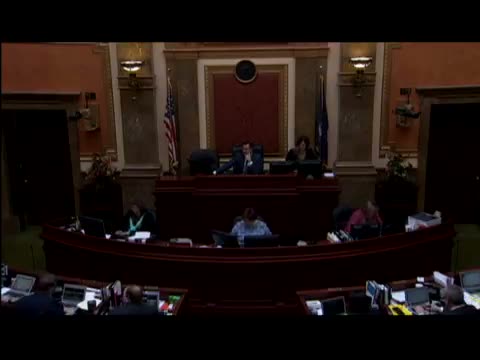
On March 3, Representative Fossen presented second substitute House Bill 369, describing it as a cleanup and targeted enhancement to statutes dealing with nonconsensual sexual offenses and disclosure when a perpetrator is HIV positive. The sponsor said the measure cleans up problematic code and adds an enhancement and a disclosure requirement; the penalty for non-disclosure was described on the floor as a class A misdemeanor.
Floor discussion emphasized two fault lines: supporters emphasized the severity and lifetime health consequences of exposure to HIV and argued the bill responds to a specific local incident; critics warned the bill could stigmatize people living with HIV or criminalize consensual conduct where transmission did not occur or was unlikely. Representative Bridal and others said the bill might criminalize conduct absent transmission and expressed concern that it does not require proof the HIV-positive actor believed transmission was likely.
Representative Kennedy and others asked why HIV specifically was singled out; sponsors responded that the bill was driven by a local case and that sponsors would welcome other disease-specific changes from colleagues in the future. After a motion to end debate, the House opened and closed voting; second substitute HB 369 received 55 yes votes and 15 no votes and passed the House. The bill will be transmitted to the Senate for its consideration.
Next steps noted on the floor included potential amendments going forward and stakeholders raising public-health and stigma concerns for further review.