Get Full Government Meeting Transcripts, Videos, & Alerts Forever!
Get email alerts on the Public Transit topic
No spam. Unsubscribe anytime.
House circles public-transit drug-zone bill after debate on penalties
Summary
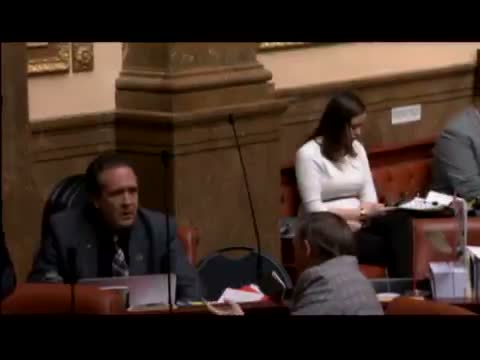
After extensive floor debate about penalty levels and fiscal impacts, the House voted to 'circle' (hold for additional work) on Second Substitute House Bill 360, which would create enhanced penalties for drug offenses within 100 feet of transit facilities and expand certain transit accessibility provisions.
Representative Handy presented Second Substitute HB 360 on March 3, 2017. The bill contains two primary elements: a technical provision to allow personal care attendants to assist persons using mobility devices on vehicles, and enhanced "drug-free zone" penalties for offenses that occur in transit vehicles or within 100 feet of transit facilities (platforms, stations, parking areas).
The substitute reduced the enhanced penalty for distribution within 100 feet of transit facilities from a first-degree penalty to a third-degree felony for the transit-specific context. Supporters emphasized public-safety concerns and rising drug-related incidents on transit systems: "We want our public transit to be safe and clean and drug free," the sponsor said, describing arrests and safety issues reported by UTA officers.
Opponents and questioners pressed the sponsor on unintended consequences. Representative Ray noted discrepancies in the underlying penalties for possession versus distribution and warned that the change could escalate possession penalties from class B misdemeanors to felonies based solely on proximity to transit facilities, expressing concern about fiscal impacts and incarceration trends. Representative Kwan and others said stakeholders had worked toward compromise but some concerns remained.
After discussion and a brief amendment cleanup, the body voted on a motion to circle the bill to give the sponsor time to answer outstanding questions and work with stakeholders. The motion carried and HB 360 was circled for further work rather than being passed or sent to the Senate on that day.
Next steps: the sponsor indicated willingness to continue stakeholder work and amendments may return the bill to the floor at a later date.