Get Full Government Meeting Transcripts, Videos, & Alerts Forever!
Get email alerts on the Broadband Policy topic
No spam. Unsubscribe anytime.
House updates Universal Service Fund to include broadband and wireless providers
Summary
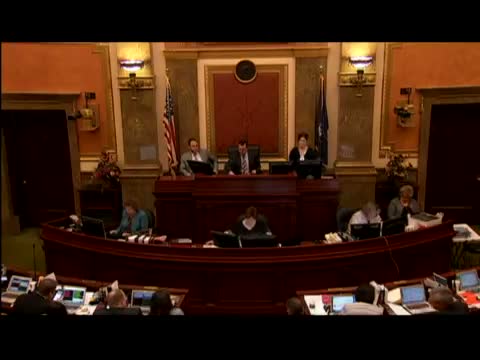
The House passed a fifth substitute to SB 130 to modernize the Universal Service Fund so it captures wireless and internet-based voice services; sponsor said the Public Service Commission will set rates and the estimated impact should be less than $0.10 per connection per month. Vote: 74-0.
The House approved fifth substitute Senate Bill 130, updating Utah’s Universal Service Fund so it better reflects modern communications technology and continues subsidizing service in rural areas.
Representative Gibson, the House sponsor, said the fund—established in 1997—was originally tied to in-state long-distance and copper-wire phone service and needs adjustment because communications now include wireless and internet-based voice services. "What this bill does is to make an adjustment so we continue to keep that fund going in the rural areas to provide adequate coverage for everyone," Gibson said on the floor.
Lawmakers asked whether the change would increase rates for consumers. Representative Dunigan questioned whether the bill removes a previous 20-cent cap on a surcharge and what the estimated residential cost would be. The sponsor replied that the Public Service Commission will set the actual rate and that the sponsor’s Senate colleague expected the per-connection cost to be under $0.10 per month. The sponsor said the change broadens the base of contributors (including cellular and internet-phone service providers) so costs are spread across more payers.
Supporters noted the fund had been declining as legacy wireline contributions dropped and said the bill levels the playing field between rural carriers and modern carriers. The House passed the bill without opposition by a vote of 74 yes, 0 no; it will be transmitted back to the Senate for further consideration.
What happens next: The Public Service Commission will determine how to implement the new assessment and set rates consistent with state law and the bill’s language.