Get Full Government Meeting Transcripts, Videos, & Alerts Forever!
Get email alerts on the Health Care Debt topic
No spam. Unsubscribe anytime.
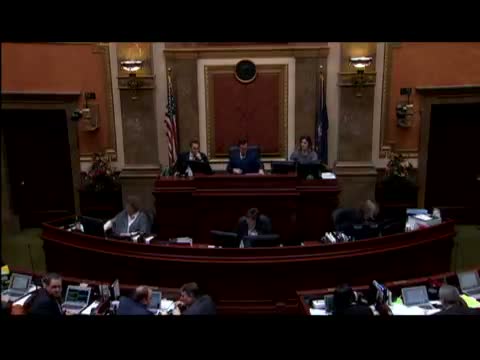
House approves medical‑billing notice bill after vote to remove private right of action
Summary
After extensive floor debate, the Utah House passed sixth substitute HB128 requiring certified‑mail notice and a cure period before medical debts go to collections; members removed a proposed private right of action in amendment 1 and passed the bill as amended (57–16).
The Utah House of Representatives passed sixth substitute House Bill 128 on Feb. 22, 2017, changing when and how medical providers may send unpaid medical debts to collections. The bill, sponsored by Rep. Andrew Webb, requires that when a provider determines a patient’s net owed amount the provider must wait a specified period and send an adequate certified‑mail notice that explains the dollar amount, a payment deadline, and possible credit consequences before reporting to collections.
Supporters said the measure restores transparency and gives consumers time to fix billing or insurance errors. Rep. Webb described cases in which a small unpaid medical bill caused a 100‑point drop in a person’s credit score, with long financial consequences; he said the certified‑mail requirement (return receipt requested) and a cure period are inexpensive to administer and would prevent many credit problems. Rep. Webb said the bill also includes penalties for providers who fail to give required notice and mechanisms for correcting credit reporting errors.
Opponents and some moderates expressed concern about parts of the original bill that would have created a new private right of action allowing patients to sue for damages and recover attorney fees. Representative Raymond Ward moved Amendment No. 1 to delete the new private right of action (section 5). Supporters of the amendment argued that attaching attorney‑fee recovery to a new cause of action would incentivize litigation by lawyers and could expose small providers to lengthy, uncertain claims; they also noted existing federal and state remedies. Opponents of the amendment said the private right of action is the only effective mechanism to make providers correct credit records and to provide meaningful relief to harmed consumers.
Floor debate included multiple substitute proposals; one substitute that would have shifted notice responsibility to collection agencies failed on a floor vote. After discussion and a division, the House adopted Amendment No. 1 (removing the private right of action) by voice and then passed the substituted bill as amended by roll‑call, 57 yes to 16 no. The bill will be transmitted to the Senate for its consideration.
The House record shows multiple members pressing for balance — requiring notice and an opportunity to cure, while avoiding unintended litigation burdens on small providers. The sponsor said the intent is notice, cure and repair of credit harm, not punitive outcomes.
Next steps: HB128, as amended, goes to the Senate. If the Senate concurs and the governor signs the bill, the certified‑mail and cure requirements will be added to state code; the effective date and specific enforcement details are contained in the substitute language passed by the House.