Get Full Government Meeting Transcripts, Videos, & Alerts Forever!
Get email alerts on the Substance Use Treatment topic
No spam. Unsubscribe anytime.
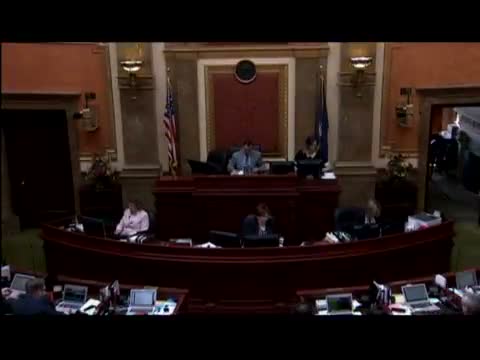
House approves Essential Treatment and Intervention Act after debate over involuntary treatment
Summary
The House passed second substitute HB 286, the Essential Treatment and Intervention Act, 61–11 after debate over civil‑liberty safeguards and provisions that let families seek court‑ordered treatment for adults with severe substance use disorders.
Representative Christiansen brought second substitute HB 286, the Essential Treatment and Intervention Act, to the House floor, saying the measure responds to Utah’s overdose crisis and provides a legal pathway for relatives to seek court‑ordered treatment for an adult who cannot make reasoned decisions because of substance use disorder. “This is the moment,” Christiansen said, and described the bill as carefully crafted with medical and legal safeguards and a 90‑day periodic review process added by amendment.
Proponents, including Representative Ward, argued the bill balances civil liberties with public safety and family options, noting that intervention can be lifesaving when an adult no longer can decide for themselves. Representative Carol Spackman Moss supported the bill as part of a broader response to the opioid epidemic and cited families’ testimonies that earlier help could have saved lives.
Opponents raised civil‑liberty concerns and sought stronger procedural safeguards. Representative Kotler asked for a step‑by‑step description of how the court‑ordered process would work; the sponsor described a confidential judicial review with licensed examiners, two examiners, and periodic medical review of progress that can end the order if appropriate. Debate also focused on how often commitments would be reviewed and protections for individual autonomy.
The House adopted amendment #2 (clarifying a typographical error and adding a 90‑day review) and then voted on the amended second substitute. The bill passed 61–11 and will be transmitted to the Senate for consideration. The sponsor framed the measure as aimed at saving lives and providing families a confidential legal remedy while emphasizing guardrails drawn from other states and medical experts.
What happens next: HB 286 now goes to the Utah Senate for its committee process and possible further amendments.