Get Full Government Meeting Transcripts, Videos, & Alerts Forever!
Get email alerts on the Criminal Justice Youth topic
No spam. Unsubscribe anytime.
House unanimously approves reclassification of some adolescent sexual offenses
Summary
The House passed third substitute HB123 to reclassify certain sexual conduct among adolescents by age gaps, add delayed-reporting provisions and reduce felony labeling; the bill passed 75–0 and will go to the Senate.
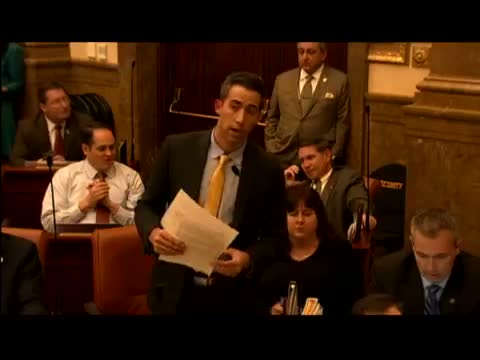
Representative Roberts, sponsor of HB123, told the House the bill reworks criminal penalties for sexual conduct among adolescents to differentiate culpability based on age differences and to avoid automatically charging youth with first-degree felonies for consensual, near-age conduct. The proposal includes delayed-reporting provisions so that reports made later in life are considered under penalties that applied when the individuals were minors, and provides access to services and assessments through existing juvenile protocols.
Backers said the measure arose from extensive work by the Sentencing Commission, juvenile-justice stakeholders and NOJOS (the network on juvenile offending services). Representative McCall and others said the bill strikes a better balance than current law by creating graduated penalties and avoiding lifelong felony consequences for adolescent behavior. Members asked for clarification about whether the bill lowered the age of consent; the sponsor said it does not.
After debate and clarifications about age bands and juvenile processes, the House voted; the clerk reported 75 yes votes, 0 no votes. The bill passed the House unanimously and will be transmitted to the Senate.