Get Full Government Meeting Transcripts, Videos, & Alerts Forever!
Get email alerts on the Electric Vehicle Policy topic
No spam. Unsubscribe anytime.
Electric-vehicle tax credit proposal circled after floor debate; sponsor calls it a market-transformation tool
Summary
Lawmakers debated HB 29, a phased electric-vehicle tax credit targeted to areas with poor air quality; supporters framed it as a market-transformation tool while critics questioned cost-effectiveness and equity. The sponsor agreed to circle the bill for further work.
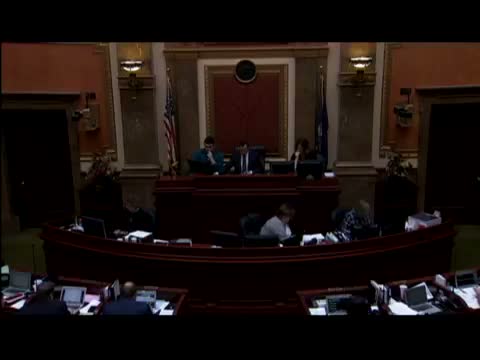
Representative Handy presented the fourth substitute of HB 29, a proposal to renew and restructure Utah—s electric-vehicle tax credit. The sponsor said the measure aims to transform the market for electric vehicles in areas that exceed national ambient air-quality standards, with a multi-year phase-down of the credit to encourage adoption.
Sponsor Handy described the bill as an effort at "market transformation," outlining a five-year phase-out that starts with a larger credit and reduces to zero by year five. He said the bill is limited to areas of non-attainment and includes controls and annual reviews to track outcomes.
During floor discussion, several members raised concerns about fiscal impact and whether the size of the credit would meaningfully change consumer behavior. Representative 22 questioned the evidence that a modest tax credit would shift purchases, noting the bill—s fiscal note projects a maximum uptake and a modest revenue impact. Representative Lisonbee and others said the policy design included caps and a short phase-out to limit long-term costs.
Because members had unresolved questions about qualification criteria (for example, whether eligibility is based on purchaser residence or purchase location) and fiscal details, Representative Handy accepted a motion to circle the bill for additional review. The motion carried and the bill will return to committee for further technical work.
Floor exchange highlights included concerns about the education fund cap in the fiscal note and whether the bill disproportionately benefits purchasers who already can afford higher-priced vehicles. Supporters emphasized the bill—s environmental objective and phased limits.
The House took no final vote on the bill; it was circled pending answers to technical questions and further drafting.