Get Full Government Meeting Transcripts, Videos, & Alerts Forever!
Get email alerts on the Criminal Law topic
No spam. Unsubscribe anytime.
Utah House passes bill tightening bigamy statute after heated debate
Summary
After hours of debate over constitutional and enforcement concerns, the Utah House passed first substitute HB 99, which revises bigamy language, adds enhanced penalties tied to fraud and abuse, and includes safe-harbor defenses; the measure passed 48-25 and moves to the Senate.
SALT LAKE CITY — The Utah House on Thursday approved first substitute House Bill 99, a measure that revises the state's bigamy statute to address a federal court ruling and to strengthen penalties for related crimes, after an hours-long, often emotional debate that split lawmakers across legal and policy lines.
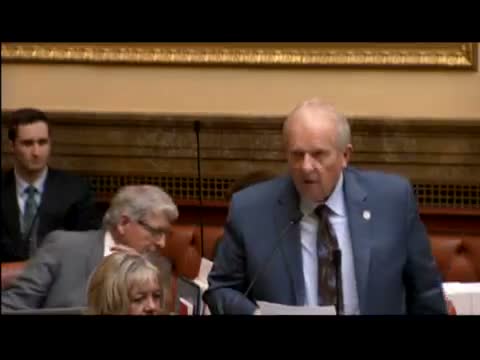
Representative Michael Noel, the bill sponsor, said HB 99 corrects wording that a federal judge had found vulnerable to constitutional challenge and restores compliance with Utah's enabling act. "This is my bill, and, I would ask for support," he said in presenting the measure and describing amendments that add safe-harbor provisions for victims and clarify defenses for those who reasonably believed a marriage to be legal.
Supporters argued the changes better equip prosecutors to address harm occurring in closed polygamous communities, including allegations of fraud, child abuse and trafficking. Representative Noel told the House the bill does not raise penalties for the base offense of bigamy but creates enhanced penalties when related offenses'such as inducing marriage by fraud, child exploitation or human trafficking'are present.
Opponents warned the bill risks constitutional problems and unintended consequences. Representative Nelson said the panel was criminalizing "speech" by penalizing anyone who "purports" to marry, and raised equal-protection concerns about inconsistent enforcement depending on whether someone is said to "purport" a marriage or merely cohabit. "We would be inviting immediate litigation over the constitutionality of criminalizing speech," she said.
Representative Brian King described the measure as "extraordinarily complex," noting prosecutors already can pursue fraud, domestic violence, child abuse and trafficking under separate statutes and urging caution about driving vulnerable communities further underground. Others said the bill'including committee amendments that require proof of additional criminal activity for enhanced penalties and provide defenses for victims and coerced participants'struck the right balance.
After extended debate and several members describing personal and historical perspectives, the chamber voted 48 in favor and 25 opposed. The bill will be transmitted to the Senate for further consideration.
What the bill does: HB 99 changes wording in the bigamy statute that had been the focus of litigation; it clarifies that bigamy requires a knowing attempt to marry a second person and provides specific circumstances that raise the penalty (for example, where inducing marriage by fraud, child sexual exploitation, or trafficking is present). It also adds defenses for minors and people who left a relationship under coercion or reasonable fear.
Next steps: HB 99 proceeds to the Utah Senate for committee assignment and consideration. Proponents and opponents said court challenges are likely either way and that the legislation aims to give the Attorney General's office clearer authority to defend the state's constitutional prohibition on polygamy.
Votes: First substitute House Bill 99 passed the House, 48-25.