Get Full Government Meeting Transcripts, Videos, & Alerts Forever!
Get email alerts on the School Trust Governance topic
No spam. Unsubscribe anytime.
House approves changes to school trust governance, adds term limit for independent director
Summary
The Utah House passed HB 291 to create an independent director for the School Children—s Trust Section and strengthen fiduciary protections; an amendment limiting the director to two terms passed after debate about oversight and independence.
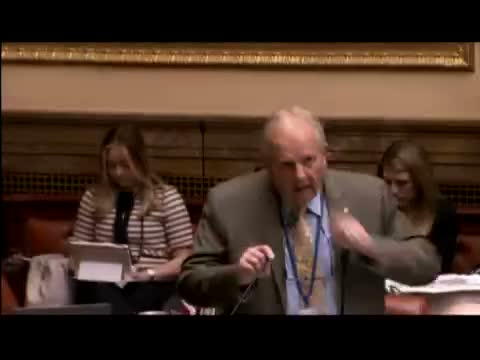
The Utah House on Feb. 27 passed HB 291, a measure that creates an independent director position for the School Children—s Trust Section intended to strengthen fiduciary protections for land and funds that benefit public schools.
Sponsor Representative Noel introduced the bill as a needed safeguard for the nearly 3 million acres managed by the School and Institutional Trust Lands Administration (SITLA) and to protect the financial interests of schoolchildren, citing letters from SITLA leadership and the state treasurer in support. He told colleagues the director—s role is to act "in fiduciary capacity to the trust beneficiary" and to be insulated from political pressure so the office can prioritize beneficiaries.
Debate focused on the balance between director independence and accountability to elected boards. Representative Waite proposed adding "insubordination or failure to comply with the policies of the State Board of Education" as an additional ground for removal; members who opposed the amendment argued the term was ambiguous and could undercut the director—s fiduciary oath. The House rejected that verbal amendment.
Representative King successfully offered an amendment limiting the director to two terms; supporters said term limits are a check on power for an unelected position, while opponents said the role requires technical continuity and experience. The two-term amendment passed after a division vote.
On final passage, HB 291 carried 48 yes votes and 27 no votes. The bill will be transmitted to the Senate for further consideration.
The bill—s text, as debated, includes processes for appointment, standards of fiduciary duty and grounds for removal; the House record shows members pressed for clarity about how the director—s oath and board policies would interact. The sponsor said he expects additional review as the bill moves to the Senate.
The House session moved on to other calendar items following the vote.