Get Full Government Meeting Transcripts, Videos, & Alerts Forever!
Get email alerts on the Energy Policy topic
No spam. Unsubscribe anytime.
Utah House votes to taper rooftop solar tax credit after contentious debate
Summary
The House passed first-substitute HB23 to phase out a $2,000 rooftop solar income tax credit by $400 annually over four years after amendment, amid debate over subsidies and scope; the bill passed 60–14 and moves to the Senate.
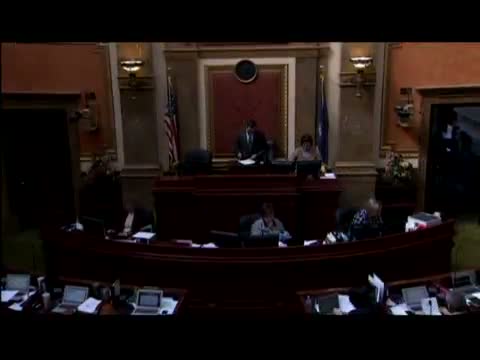
The Utah House on Feb. 13 passed first-substitute House Bill 23, a measure that will reduce the state’s $2,000 individual income tax credit for residential rooftop solar by $400 a year over four years until the credit phases out.
Sponsor Representative Jeremy Peterson said the credit helped launch Utah’s rooftop solar market but that the industry has matured and the taper aligns the fiscal impact with falling technology costs. He said the change was negotiated with industry groups and education stakeholders to address impacts on school funding.
Representative Briscoe spoke in opposition, arguing that subsidies for fossil fuels continue and proposing a broader removal of subsidies rather than a targeted taper for solar. He said he would vote against the bill despite acknowledging the solar industry’s growth.
Representative Hutchings moved Amendment No. 2 to define “photovoltaic system” narrowly so that emerging technologies (for example, solar thermal) would not be inadvertently excluded from future incentives. The sponsor characterized the change as a friendly amendment and supported it.
During floor questioning, Representative Noel sought clarification about the history and policy intent of existing credits; the sponsor said the credits were originally intended to spur the industry’s development. Representative Albrecht and others described stakeholder work that led to the negotiated outcome.
The House approved the measure 60–14. The bill’s supporters argued the taper protects state education funding while allowing the industry to continue shrinking in cost; opponents characterized the change as premature and called for broader subsidy reform. The bill will now be transmitted to the Senate for consideration.
Votes at a glance: HB23 (first substitute) — Passed 60 yes, 14 no.
Next steps: The measure will go to the Senate for its committee and floor process; no Senate actions were recorded in this transcript.