Get Full Government Meeting Transcripts, Videos, & Alerts Forever!
Get email alerts on the School Bus Safety topic
No spam. Unsubscribe anytime.
Utah House rejects bill to require lap-shoulder seat belts on new school buses
Summary
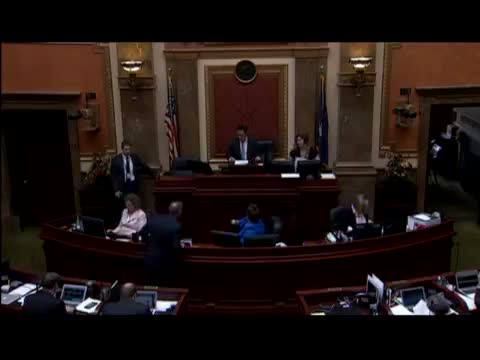
The Utah House on Feb. 9 debated first substitute House Bill 132 to require lap-shoulder seat belts on school buses; proponents cited NHTSA crash findings and potential lives saved, opponents raised cost and displacement concerns. The bill failed on a 30–40 roll call.
Representative Katy Hall, the bill sponsor, urged the Utah House to require lap-shoulder seat belts on new school buses, arguing the change would reduce injuries and save lives and citing recent National Highway Traffic Safety Administration commentary backing belts for buses. "School buses should have seat belts. Period," Hall said during her summation.
Supporters told colleagues that modern lap-shoulder systems address past capacity and evacuation concerns and said several safety organizations and state agencies back the measure. Hall cited NHTSA and NTSB findings and said correctly worn lap-shoulder belts could prevent an estimated 1,900 crash injuries a year nationwide and save two to three lives annually, figures she attributed to federal crash analyses. The Utah Department of Public Safety and Primary Children’s Hospital were listed by the sponsor as formal supporters.
Opponents questioned the evidence and raised practical costs and unintended consequences. "The science simply isn't there," Representative Hawkes said, urging caution and noting that the National Highway Traffic Safety Administration has not mandated belts historically. Several members warned that higher per-bus costs — the fiscal note estimated $10,000–$15,000 per bus while the sponsor said $7,000–$10,000 is plausible — could force districts to reduce routes, potentially increasing walking exposure for students. Representative Pitcher invoked the 1976 Yuba City crash and family loss to argue belts are necessary to prevent future tragedies.
The bill also aimed to limit adult responsibility for buckling children and to provide limited liability protections for drivers, teachers and volunteers for improper use; the sponsor said rollout would be phased in for new buses rather than retrofitting older vehicles. Representatives asked technical questions about small children and alleged need for booster seats; the sponsor said most kindergarten-age riders would fit three-point belts and that belts in new designs retract into the seat structure.
After debate, members voted on the first substitute to House Bill 132. The motion failed on a roll call of 30 yes and 40 no; the measure was returned to staff for filing. No committee referral or further action on this bill was specified during the session.