Lifetime Citizen Portal Access — AI Briefings, Alerts & Unlimited Follows
House amends Air Conservation Act to exempt noncommercial cooking, passes after debate over enforcement and health
Loading...
Summary
Lawmakers approved HB 65 to codify that noncommercial cooking using solid fuel (backyard barbecues) is permitted under Division of Air Quality rules; lawmakers accepted an amendment limiting the exemption to noncommercial cooking amid concerns about enforcement and smoke impacts. Final vote was 56–17.
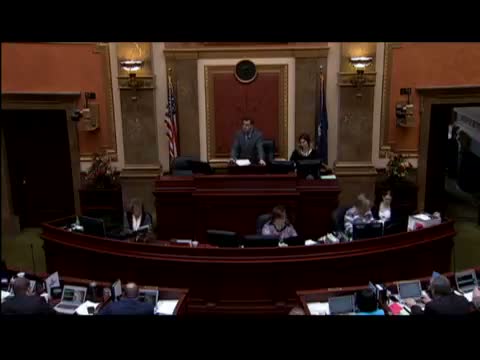
SALT LAKE CITY — The Utah House on Monday amended and passed HB 65, clarifying that the Division of Air Quality’s existing rule allowing solid-fuel combustion for cooking (for example, backyard barbecues) be codified in statute while carving out commercial uses for regulatory oversight.
Sponsor Representative Schultz said the bill codifies an existing Division of Air Quality rule that permits wood, pellets or briquettes for barbecuing when the primary purpose of the burn is to cook food. "The intent of this bill is to provide clarity to consumers and local health departments on the current permitted uses," Schultz said.
Representative Ward offered amendment number 1 to change the exemption language to "noncommercial cooking of food," arguing that the division should retain authority to regulate commercial burning. Schultz characterized the amendment as friendly and supportive.
Several members expressed concern about enforcement and public-health consequences during inversion days. Representative Gibson asked how the rule would be enforced in edge cases — for example, a large backyard bonfire where someone claims the primary purpose was cooking. Representative Briscoe, who voted for the amendment, said the language brings clarification but cautioned it may remain insufficient for some situations; one representative described acute health impacts from smoke sensitivity.
Following debate, the House adopted the amendment and passed HB 65 in final form by a vote of 56–17. The bill will now be transmitted to the Senate.
What happens next: The approved language limits the statutory exemption to noncommercial cooking; local air-quality regulators and enforcement authorities will interpret and implement the rule if the Senate and governor approve the bill.