Get Full Government Meeting Transcripts, Videos, & Alerts Forever!
Get email alerts on the Affordable Housing topic
No spam. Unsubscribe anytime.
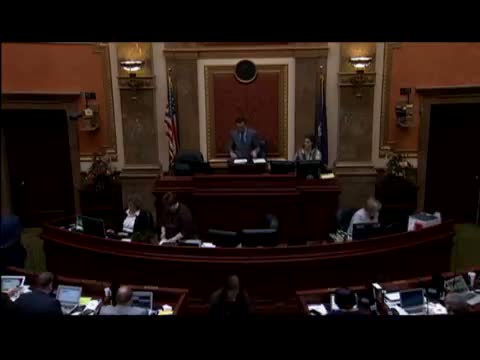
House approves affordable-housing package to expand credits, seed loan and rural set-aside; HB 36 passes 50-22
Summary
The Utah House passed First Substitute HB 36, a package increasing state low-income housing tax credits, creating a repayable economic revitalization loan fund, and adding a landlord reimbursement pilot; vote was 50 yes, 22 no and the bill is headed to the Senate.
Representative Edwards, the bill sponsor, told the House that First Substitute HB 36 aims to increase the supply of rental housing for households earning 30 percent or less of area median income (AMI) by expanding the state low-income housing tax credit and creating an appropriated loan fund.
"This bill helps us move the needle to where the need is greatest in the gap in affordable housing for the 38,000 extremely low income renters statewide who cannot find a place to live," Representative Edwards said during his presentation of the measure, which the sponsor said increases the state credit from 12.5¢ per person to 34.5¢ per person and allows multiple investors to own tax credits issued to a single project.
Edwards said the bill also establishes an Economic Revitalization and Investment Fund composed of legislative appropriations, private contributions and grants, with a requirement that loans be repaid (after 30 years or upon sale or refinance) so the state realizes long-term returns. He said a $4,000,000 fiscal impact in the bill would go to that fund and another $2,000,000 would be directed to the Olene Walker Housing Loan Fund to support rural and other projects.
Representative Chu asked for clarification about the apparent fiscal numbers in the text and the fiscal analyst’s note; Edwards replied that the $4 million and $2 million are new appropriations and that tax credits operate as foregone revenue rather than a line-item expenditure. "This is new money we'll be appropriating," the sponsor said.
Lawmakers offering support described the populations the bill targets and why they backed it. Representative Hollins, who identified herself as a licensed clinical social worker, said a "housing-first" approach is necessary to begin addressing mental-health and other needs among people experiencing homelessness. Representative Briscoe detailed individual cases of constituents struggling to secure housing because of eviction records and very low incomes.
Representative Cutler said he was torn and expressed concern that the tax-credit provisions reduce revenue for public education, citing an estimate "between the $700,000 [and] $800,000" that he said could be taken from education funding as a result of the change.
After debate and summation, voting was opened and closed. First Substitute HB 36 received 50 yes votes and 22 no votes, passed the House, and was transmitted to the Senate for consideration.
The bill sponsor said the measure implements several recommendations from the Lieutenant Governor's Affordable Housing Task Force and includes a landlord reimbursement pilot for tenants using federal Housing Choice Vouchers. The next procedural step is Senate consideration; no amendments or Senate action are yet recorded in this transcript.