Get Full Government Meeting Transcripts, Videos, & Alerts Forever!
Get email alerts on the Medicaid Expansion topic
No spam. Unsubscribe anytime.
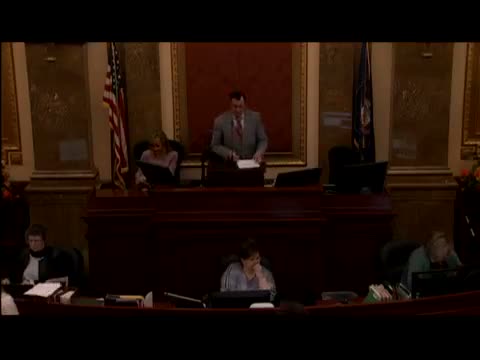
Utah House approves Medicaid expansion waiver with work requirement, sends bill to Senate
Summary
The House passed House Bill 472 on March 5, 2018, sending a Utah-designed Medicaid expansion waiver with cost controls, a TANF-modeled work requirement, and a contingency that sunsets the program if federal matching falls below 90% to the Senate by a 47–27 vote.
Representative Brent Spendlove presented House Bill 472, a legislative plan to expand health coverage to people in the coverage gap while including a work requirement and fiscal safeguards. He said the bill repurposes existing funding and includes mechanisms to “mitigate risk” so the program will not grow beyond state control. "House Bill 472 is the direct result of our years of work," Spendlove said during his presentation.
Supporters argued the waiver will reduce cost-shifting to emergency departments and lower overall health-care costs by enrolling recipients in managed care. Representative Ward said the bill would remove income “cliffs” that disincentivize work and praised the change as an incentive for people to increase earnings without losing coverage. Representative Kotter and others said they were grateful the federal administration is permitting work requirements and cost caps that were not available previously.
Critics pressed the sponsor on implementation and timing. Representatives asked how the Arkansas CMS approval (issued the same day) compared to Utah’s waiver and how long federal review could take. Spendlove told members that Arkansas’s approval signaled CMS willingness to work with states and said Utah’s review could take several months but that federal officials had indicated they would process waivers promptly. The bill includes a contingency provision stating that if federal financial participation falls below 90 percent, the department’s authority to implement the waiver shall sunset no later than July 1 following that determination.
Several members emphasized built-in circuit breakers and fiscal neutrality. Representative Lisonbee and others described the bill as constrained to existing appropriations and said the current administration had provided more flexibility for state-designed solutions. Representative Dunnegan said the bill addressed questions about the state's share of costs and confirmed that the expansion is subject to appropriations.
The House ended debate, called the question and recorded the final vote. The clerk reported 47 yes votes and 27 no votes; the bill passed the House and will be transmitted to the Senate for consideration. The sponsor said the program is designed to end automatically if the federal match falls below the contingency threshold, removing the need for immediate further legislative action in that event.
What’s next: The bill now goes to the Senate for its consideration and any amendments or further review by federal officials overseeing waivers.