Get Full Government Meeting Transcripts, Videos, & Alerts Forever!
Get email alerts on the Cannabidiol Regulation topic
No spam. Unsubscribe anytime.
Utah House approves Cannabidiol Product Act after sponsor frames regulation and DEA-waiver plan
Summary
The House passed the second substitute to the Cannabidiol Product Act, which would require state registration and testing of CBD products and direct Utah to seek a DEA waiver to develop an approved, pharmacy-dispensed CBD medicine; the bill passed 49–20.
The Utah House passed the second substitute to the Cannabidiol Product Act (second substitute, Senate Bill 130) after a floor presentation and questions about enforcement, safety, and the federal waiver process. The bill would require producers who sell cannabidiol (CBD) products in Utah to register with the Department of Agriculture, submit products for testing, and verify that labels match contents; it also directs the state to apply to the U.S. Drug Enforcement Administration for a waiver to permit development and pharmacy dispensing of an approved CBD medicinal product.
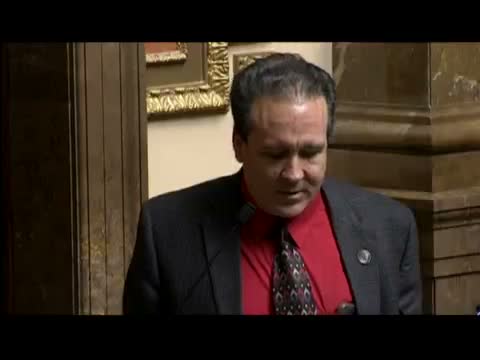
House sponsor Representative Doh told colleagues the measure separates two distinct objectives: "The first thing it does is acknowledge that, CBD ... is for sale all across the state," and requires state regulation so "when a consumer goes and purchases what they think is CBD, they are getting what they think they purchased." He described a public-safety rationale, citing calls to poison control and reports of adulterated products: "We've had some bad actors, selling, synthetic spice under the guise of CBD oil ... We've actually had, more than 2 or 3 dozen calls to the poison control center" about products consumers believed were hemp oil.
During floor questioning, Representative Duckworth asked a practical enforcement question: "So when I go to the health food store and buy a small bottle of CBD ... are they selling that illegally?" Representative Doh replied, "Yes," saying current retail sales are technically a Schedule I matter under federal law and that the bill would create a state regulatory framework. Representative Paul Ray pressed on the second component—seeking a DEA waiver—asking, "what is the likelihood of the DEA actually agreeing to a waiver?" Doh responded that the senate sponsor has engaged the DEA and that "there has been active discussion" and at minimum "some indication that this language was in a direction that the DEA could consider."
The floor debate and Q&A focused on consumer protection, product testing, and the contingency that any physician-prescribing path would depend on a federal waiver. Representative Doh noted the bill "grandfather[s] in Charlie's law" (lines cited in the bill) so existing provisions would remain in effect.
The House recorded a 49–20 vote in favor of the second substitute, with the Speaker Pro Tem announcing the bill will be signed and returned to the Senate for the president's signature. The outcome does not itself grant any DEA authority; the waiver route described in the bill would be contingent on federal approval.
Next steps: the bill will be returned to the Senate for the president's signature; the DEA waiver is an external dependency the bill merely directs state officials to pursue.