Get Full Government Meeting Transcripts, Videos, & Alerts Forever!
Get email alerts on the Separation Of Powers topic
No spam. Unsubscribe anytime.
House passes intervention measure allowing legislature to intervene in legal challenges to laws
Summary
The House approved first substitute Senate Bill 171 to create a statutory right for the legislature to intervene in actions challenging the constitutionality or validity of state statutes, with legislative counsel to act independently of the attorney general.
The House on March 7 passed first substitute Senate Bill 171, which establishes a statutory procedure allowing the Utah Legislature to intervene as a party in actions that challenge the constitutionality or validity of a statute or legislative action. The sponsor described the measure as creating an "unconditional right of intervention" for the legislature in state actions and said legislative counsel would represent the legislature’s interests independently from the attorney general.
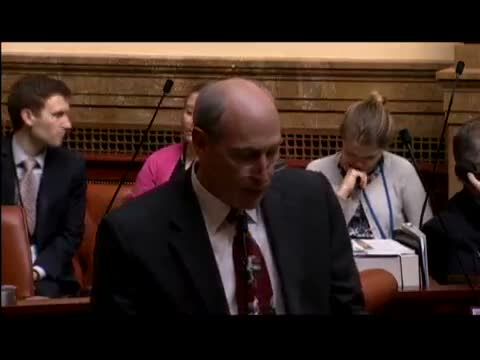
In floor remarks the sponsor emphasized separation of powers concerns and said the bill does not enable the legislature to interpret laws or administer them: "we create the unconditional right of intervention for the legislature" and "we do not undertake to interpret the law" or to encroach upon the duties of other branches. The sponsor acknowledged the attorney general and governor’s office had expressed concerns that intervention could cross branch lines, and said the bill addresses that by clarifying independent counsel roles and by limiting intervention to statutes and legislative intent issues.
Representatives asked whether the bill was prompted by a particular incident; the sponsor said it was not focused on any one case but stemmed from recurring concerns where lawmakers felt their interests were not fully represented. Members probed how potential conflicts between legislative counsel and the attorney general would be resolved; the sponsor answered that the respective attorneys would represent their clients and the court would consider all arguments.
Floor supporters said the measure is narrowly drafted and likely to be used rarely, while some members warned it could place the legislature at odds with executive‑branch interests in court. After extended questioning and discussion, the House passed the first substitute; the Clerk recorded the bill as having received 61 yes votes and it will be returned to the Senate for further consideration.