Get Full Government Meeting Transcripts, Videos, & Alerts Forever!
Get email alerts on the Inland Port Governance topic
No spam. Unsubscribe anytime.
Lawmakers debate proposed Utah Inland Port Authority governance; at least one House member objects over environmental concerns
Summary
Floor debate described the proposed Inland Port Authority's governance structure and taxing authority; a representative whose district includes planned port land said constituents urged a 'no' vote because of environmental concerns, while other members emphasized statewide economic benefits.
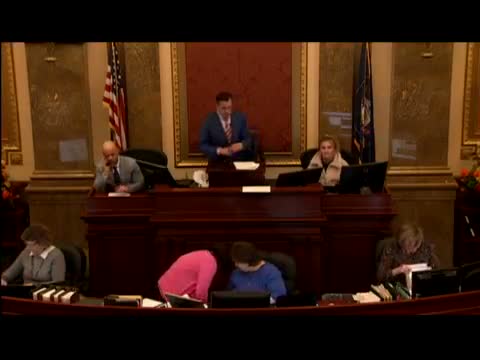
A lengthy floor discussion on March 7 focused on the proposed Utah Inland Port and the governance model sponsors say would help the state capitalize on rail, truck and airport proximity.
A presenter on the House floor described a proposed 11-member Inland Port board that would include appointments by the President and Speaker, representation from Salt Lake City and West Valley City, the chair of the Community Impact Board representing rural counties, the Salt Lake City Airport chair (or designee), and the UDOT executive director. The presentation said the proposed port authority would hold taxing authority while participating cities would retain local land-use control and pre-existing development agreements with private landowners would remain intact.
The presenter framed the inland port as a long-term statewide economic asset that could make Utah more competitive by handling intermodal transfers and customs clearance, citing regional logistics advantages and potential job creation. "The difference is, is the taxing authority will reside within the Utah Inland Port Authority," the presenter said on the floor.
But Representative (19), whose district includes the proposed inland port, told colleagues she would vote "no" based on constituent concerns about environmental impacts. She said numerous emails and calls to her office urged opposition and worried about how the port would affect the local environment even while recognizing potential economic gains.
Other members urged adopting the plan for statewide economic benefit and highlighted outreach with the League of Cities and Towns and affected jurisdictions. Representative (20) described the inland port as a "statewide asset" and urged the House not to "miss our shot." The sponsor said budget processes and annual reporting to oversight bodies would be part of the authority's governance and that environmental sensitivity and air-quality balance are concerns to be addressed.
No final House vote specific to creating the port authority is recorded in the floor excerpt; the discussion on the record emphasized governance design, appointments, taxation authority, and local environmental concerns.
Why it matters
The inland port proposal would create a new authority with taxing power and an 11-member board that includes both state and local appointees. That governance model, and the question of whether taxing authority should sit with a state-created port authority rather than with municipalities, were focal points of the debate. Opponents highlighted environment and constituent concerns while supporters emphasized statewide economic development.
Next steps
The floor discussion indicated continued review and outreach to affected communities; transcript notes show some members planned amendments and further engagement in committee and interim work.