Get Full Government Meeting Transcripts, Videos, & Alerts Forever!
Get email alerts on the Public Health Suicide Prevention topic
No spam. Unsubscribe anytime.
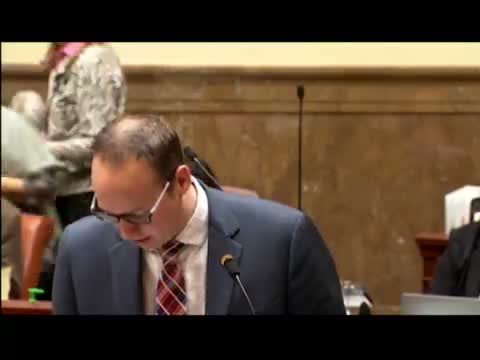
House floor rejects suicide-prevention training requirement for some providers
Summary
Second substitute House Bill 287, which would have required suicide-prevention training for certain providers (with an opt-out certification), failed on the House floor after debate about rural capacity, available referral resources and professional burdens.
The Utah House voted down second substitute House Bill 287, a proposal to require suicide-prevention training for specified health providers, after extensive floor discussion about training benefits and practical limits.
Supporters, including members who had participated in the state's youth suicide-prevention task force, argued that basic training and gatekeeper skills help clinicians identify and intervene with patients at risk and pointed to programs that reduced suicide among treated populations. They described training options such as QPR (Question, Persuade, Refer) and other gatekeeper models and urged the House to strengthen prevention efforts.
Opponents warned that rural areas lack referral capacity and that mandating training without adequate community resources could place clinicians in a "lose–lose" situation. An amendment requiring clinicians who opt out to certify prior appropriate training was offered and supported by some but did not remove broader implementation concerns.
The House recorded a final result that the measure failed to pass (42 no votes reported) and referred the item to staff for further work. Sponsors said they intend to continue discussions with stakeholders, including possible expansion to include nurse practitioners and physician assistants in future drafts.
Next steps: The bill was referred to staff for additional work; sponsors indicated openness to further negotiations before any potential return to the floor.