Get Full Government Meeting Transcripts, Videos, & Alerts Forever!
Get email alerts on the Human Trafficking topic
No spam. Unsubscribe anytime.
UT House debate on HB 334 seeks first-degree felony classification for trafficking of vulnerable adults
Summary
Representative Romero told the House HB 334 would apply the legal framework used for child trafficking to vulnerable adults, eliminating the need to prove force, fraud or coercion for trafficking of a vulnerable adult for sexual exploitation; floor discussion opened but no final floor vote is recorded in the transcript.
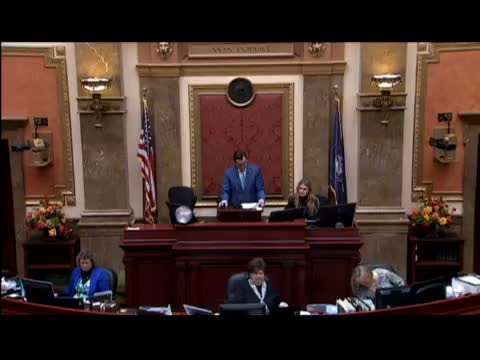
Representative Angela Romero presented House Bill 334 on Feb. 26, saying the bill would align trafficking protections for vulnerable adults with the higher standard now applied to child victims.
"The rationale behind making human trafficking of a child the first degree felony seems to be that children have less capacity to understand or to consent to what they've been asked to do," Romero said on the floor, arguing the same rationale applies to vulnerable adults. She stated HB 334 would apply the same legal framework used for child victims so that vulnerable adults would not have to prove force, fraud or coercion to qualify as trafficking victims for sexual exploitation.
Romero also said the bill cleans up statutory language enacted in 2015 to clarify current trafficking provisions. The Speaker opened floor discussion after Romero's presentation; multiple representatives made brief interventions as debate proceeded. The transcript records that discussion was under way but does not include a final House vote or recorded outcome for HB 334 in the provided excerpt.
The bill's primary effect, as described on the floor, is to shift the legal proof required in criminal prosecution of trafficking involving vulnerable adults. Supporters framed the change as a protection for populations less able to consent; opponents on other days or in committee may raise questions about definitions and evidentiary standards. Any formal change would take effect only if the bill passes both chambers and is signed into law.
Next procedural steps were not recorded in the excerpt; the House opened discussion and continued with other calendar items later in the session.