Get Full Government Meeting Transcripts, Videos, & Alerts Forever!
Get email alerts on the Land Use.jurisdiction topic
No spam. Unsubscribe anytime.
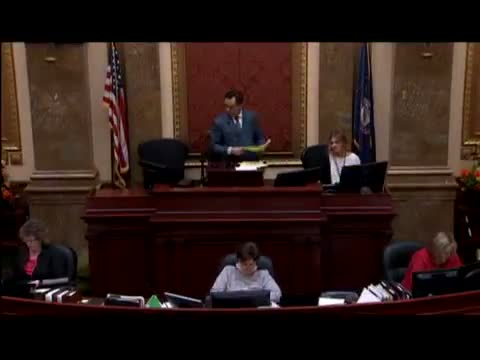
House approves extraterritorial jurisdiction changes after extended debate over watershed protection
Summary
Third substitute HB 135 passed the House 42‑26 on March 1, 2018. The bill narrows extraterritorial jurisdiction changes to cities of the first class, delays their effect and prompted extended debate over impacts to Salt Lake City watershed protection and local control.
The Utah House passed third substitute House Bill 135 on March 1, 2018, after an extended debate over extraterritorial jurisdiction and water‑resource protections. The bill narrows proposed changes to cities of the first class that exercise extraterritorial jurisdiction, delays implementation for two and a half years and was argued by the sponsor as an effort to equalize jurisdictional rules across municipalities. The vote was 42‑26.
Sponsor Representative Noel said the bill removes a form of what he characterized as “super extraterritorial jurisdiction” available to cities of 100,000 population or more and argued the 1911 statute needs modernization. He said the modified bill applies to first‑class cities and delays effect for 2½ years to allow adjustment.
Opponents, including representatives from canyon communities, argued the changes could weaken watershed protection and disrupt long‑standing arrangements that protect drinking‑water quality. Representative (Polson) said the bill “removes the jurisdiction of first‑class cities over the entire watershed” and warned that many water rights predate statehood; Representative Briscoe and others stressed the important role canyon stewardship plays in maintaining water quality for valley residents.
Sponsor Noel said the bill was about jurisdictional fairness and not about undermining water quality; he urged colleagues to ‘play by the same rules’ and move the bill forward. The House passed the measure 42‑26 and will transmit it to the Senate for consideration.