Get Full Government Meeting Transcripts, Videos, & Alerts Forever!
Get email alerts on the Labor Noncompete Broadcasting topic
No spam. Unsubscribe anytime.
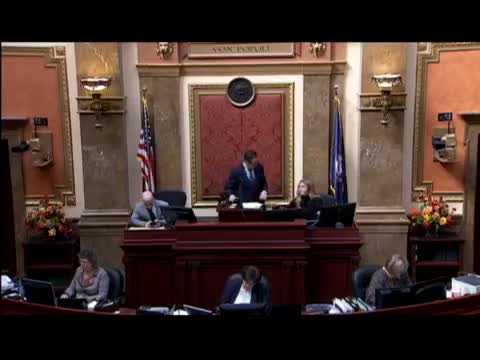
Utah House narrows limits on non‑compete agreements for broadcasting employees; bill clears House 62‑12
Summary
The House passed first substitute HB 241 on Feb. 20, 2018, restricting some post‑employment non‑compete agreements in the broadcasting industry while preserving limited contract enforcement in defined circumstances; supporters cited free‑press concerns, opponents cited constitutional and equal‑protection risks.
The Utah House of Representatives passed first substitute House Bill 241, a measure that restricts certain post‑employment non‑compete agreements in the broadcasting industry, by a 62‑12 vote on Feb. 20. Proponents said the changes protect employees and the role of local news; opponents argued the law improperly singles out a single industry and could face constitutional challenges.
Representative Schultz, the bill sponsor, said the substitute narrows coverage “to the broadcasting community versus the media at large” while still allowing non‑compete provisions in some contracts and circumstances. He described several guardrails: the bill ties coverage to the Fair Labor Standards Act salary threshold (about $47,500), limits contract terms so an employment contract itself may not run longer than four years, and prevents a non‑compete from extending beyond the term of the contract unless the parties renegotiate at the contract’s end. Schultz said the draft reflects negotiations with journalists and broadcasters and that many employees asked to remain anonymous when sending testimony to the Legislature because they feared employer retaliation.
Supporters argued the bill protects the First Amendment’s marketplace of ideas by preventing employers from using non‑competes to restrain reporters’ mobility and coverage. Representative Hawkes framed the bill as defending the free press, saying the issue implicates “the quality of the information that comes into our homes.” Representative Mittel (among others) urged passage, saying the substitute is narrowed and focused.
Opponents raised legal objections on constitutional grounds. One representative warned the measure “singles out a single industry” and argued that the state constitution’s prohibition against private or special laws and federal and state contract‑impairment principles could make the bill vulnerable in court. The opponent said that if non‑competes are problematic they should be addressed across all industries rather than targeting a few employers in a single sector.
Supporters responded that other states have enacted similar, industry‑targeted limits for broadcasting and that the bill leaves intact tools to protect proprietary or confidential information through existing law. After debate the House approved the bill; the Journal shows HB 241 will be transmitted to the Senate for consideration.
What’s next: HB 241 advances to the Utah Senate. If the Senate takes up the measure, members there will weigh the same legal and policy tradeoffs discussed on the House floor.
Quotes (from the floor): “I know others have been involved … and I’d encourage you to go listen to the testimony that was given during the committee hearing,” Representative Schultz said in explaining why the substitute limits non‑competes for many broadcast employees. “The First Amendment is built on an idea of marketplace of ideas,” Representative Hawkes said in urging support, saying media mobility implicates free‑press quality.
Ending: The House transmitted HB 241 to the Senate after the 62‑12 vote; final enactment will depend on Senate consideration and any subsequent conference work.