Get Full Government Meeting Transcripts, Videos, & Alerts Forever!
Get email alerts on the Bonds Transparency topic
No spam. Unsubscribe anytime.
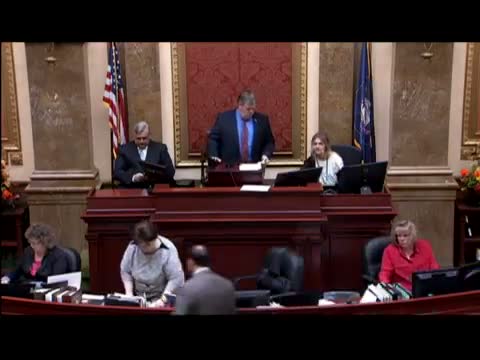
Utah House debates SB 122 on bond-authority transparency; bill circled for amendment
Summary
Representative McKay presented Senate Bill 122 to ensure local bond proceeds match voter-authorized amounts and to allow underwriting costs up to 2%; members debated transparency, ballooning proceeds via interest-rate manipulation, and alternatives, and ultimately circled the bill for amendment.
Representative McKay presented Senate Bill 122 as a transparency measure to ensure that local bond proceeds match the amount voters authorized, while permitting underwriting costs up to 2 percent to be added to the authorized amount. He told the House the bill is intended to prevent financing structures that let jurisdictions borrow significantly more than the figure approved by voters.
"The purpose of senate bill 1 22 is to return those bounds so that they voted authorized that the voters who authorized a bond amount is respected at the local level," Representative McKay said during his presentation. He added the bill allows underwriting fees to be included in addition to the voter-authorized principal up to a 2 percent cap.
Opponents urged caution. Representative Sagors warned that legal and technical ballot language can obscure how much will actually be borrowed and described scenarios where a district could net substantially more proceeds by changing coupon rates: "If a school district wants or an entity wants to sell bonds above the market rate ... they can sell them for 8% and ... gain an additional hundred million dollars," he said, calling the practice potentially misleading to voters.
Representative Briscoe, speaking from experience as a school-board president, said some districts had suggested alternatives to a straight 2 percent cap and recommended clearer disclosure in ballot materials rather than the cap the bill imposes. Representative Elison said the bill seeks to make the true net borrowing clearer to voters and is not meant to restrict districts from borrowing for needed projects.
After debate the House voted to circle SB 122 for further work and amendment, a procedural move that preserves the bill for later consideration rather than sending it immediately to final passage.
Ending: The bill was circled for amendment and will be returned to the calendar after sponsors and interested stakeholders address the technical and disclosure concerns raised on the floor.