Get Full Government Meeting Transcripts, Videos, & Alerts Forever!
Get email alerts on the Homeless Services topic
No spam. Unsubscribe anytime.
House passes substituted homeless‑services bill after extensive debate over incentives and city roles
Summary
After extended floor debate and competing substitutes, the House passed first substitute HB 462 (homeless services amendments) 49–15. Supporters said the measure funds resource centers and pairs state funding with local participation; opponents argued substitutes remove incentives and transfer burdens to cities.
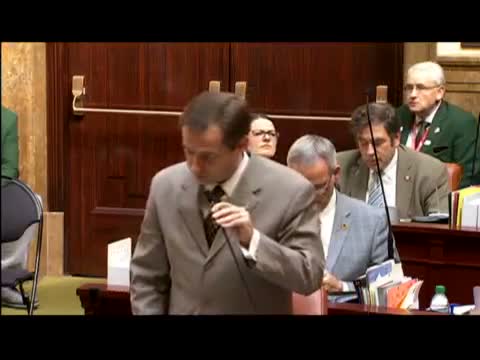
Lawmakers spent an extended period debating House Bill 462 (Homeless Services Amendments) and multiple substitutes. Representative Eliason, sponsor of the primary substitute, described the measure as the final component of the body’s recent homeless reform efforts and said resource centers funded under earlier steps are ready to receive clients. He said the bill is intended to make resource centers operational and to help people transition into permanent housing.
Opponents argued the substitute removes incentives and forces cities to pay without sufficient local control. Representative Lisonbee and other members described the substitute as a "hammer" that would require cities to change zoning or forgo revenue. Supporters, including members who have worked directly with resource centers, said the model relies on nonprofit operators, shared state‑city funding for operations, and matched ongoing support so centers can provide wraparound services that help people exit homelessness.
Floor questioning covered funding mechanics (whether money is ongoing or one‑time), the intended role of cities that host resource centers, and program performance. Representative Ivory asked whether the substitute’s funding was ongoing; floor response clarified the substitute is funded with ongoing money. Multiple representatives cited state assessments of housing affordability and county rent/income trends to justify action.
The House voted to pass first substitute HB 462 as substituted. Clerk announced the vote as 49 yes, 15 no; the substituted bill will be transmitted to the Senate for consideration.
What happens next: The House transmitted the bill; the transcript does not include the bill text, fiscal note or implementation timetable. Local governments and nonprofit service providers will be the primary implementers if the bill’s constructs are enacted.