Get Full Government Meeting Transcripts, Videos, & Alerts Forever!
Get email alerts on the Public Notice topic
No spam. Unsubscribe anytime.
House backs legal-notice change that opponents say could undercut newspaper publication
Summary
HB 301 passed the House after floor debate over whether allowing direct notice in some statutory cases would weaken public notice by publication and hurt small-town newspapers that rely on legal-advertising revenue.
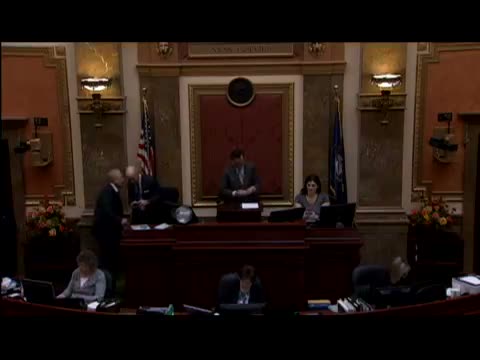
The Utah House on Feb. 23 passed House Bill 301, which revises legal-notice procedures to allow, in some cases where statutes clearly identify recipients, direct notice in place of publication. Floor debate focused on whether the change would reduce passive public notice and threaten the viability of small-town newspapers that rely on legal-advertising revenue.
A floor opponent (identified in the transcript by the representative’s seat number) warned the measure would make publication optional and argued that public notices published in newspapers provide passive notice that can protect absent or vulnerable parties. "By making it optional, we make it less reliable," the representative said, describing situations where family members learned of foreclosures only because of published notices.
Supporters and the bill’s sponsor countered with committee amendments that narrow the bill’s applicability to situations where statutes explicitly identify the parties to be notified and where direct notice can be verified. Representative Handy, speaking from experience in the newspaper business, said the proposal recognizes differences between large dailies and small community papers and argued the bill includes protections for small papers as currently drafted.
The House adopted committee amendments and passed HB 301 42–26; the bill will be transmitted to the Senate for its consideration. Opponents urged vigilance in implementation to preserve public transparency and verification; supporters said the bill modernizes notice mechanisms where personalization and verification are both feasible.
What happens next: If enacted, statutes and implementing guidance will determine where direct notice can replace publication and what verification will be required to perfect notice in statutory contexts.