Get Full Government Meeting Transcripts, Videos, & Alerts Forever!
Get email alerts on the Legislative Oversight topic
No spam. Unsubscribe anytime.
Utah House rejects proposal to create new legislative oversight committee after heated debate
Summary
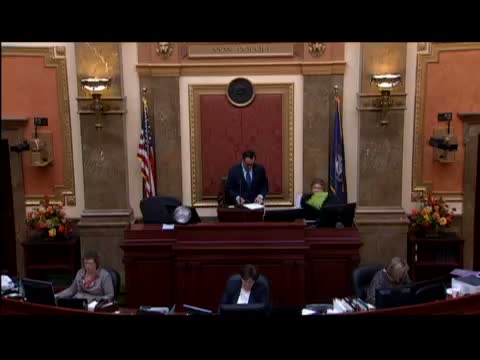
After hours of debate that divided members and drew opposition from local governments, the House voted 20–54 to defeat Third Substitute House Bill 175, which would have created a legislative oversight committee with authority to review rules and, at local request, examine local entities.
The Utah House on Feb. 20 voted down Third Substitute House Bill 175, 20–54, after an extended floor debate about scope, local control and duplication of existing oversight.
Representative Stratton, the bill sponsor, framed the measure as a structural fix to improve legislative oversight of agency rulemaking and to provide a specialized forum to examine issues at the request of local entities. He said the proposal would require agencies to notify legislators at the start of rulemaking and would create a committee made up of legislators (six from the House and three from the Senate) with co-chairs assigned by the presiding leaders.
Supporters including Representative Wilson argued the change would help a part-time legislature develop expertise and avoid unintended consequences when administrative rules depart from legislative intent. Representative Ivory said the proposal would provide needed checks as the state grows and described the committee as a tool for specialized review.
Opponents said the committee overreached, duplicated existing oversight mechanisms and would undermine locally elected bodies. Several members, including Representative (unnamed at SEG 14) and Representative Westwood, called for more deference to local elected officials, arguing the measure could be used to micromanage city councils, counties and school boards. Members cited a letter from hundreds of local officials asking the House to oppose the bill.
An amendment (Amendment #4 in Representative Wilson’s name) was offered during the debate to refine consent and broaden the entities that could grant local consent; the amendment was discussed on the floor but the broader bill ultimately failed. The Speaker announced that Third Substitute HB175 received 20 yes votes and 54 no votes and will be referred to staff for filing.
Why it matters: The bill’s defeat preserves the existing balance between state legislative oversight and local governing authority and ends efforts in this session to create the new standing oversight committee outlined in the measure.
What’s next: The bill was referred to staff for filing; sponsors and opponents indicated some members would continue working on the concept with stakeholders.