Get Full Government Meeting Transcripts, Videos, & Alerts Forever!
Get email alerts on the Private Attorney General Doctrine topic
No spam. Unsubscribe anytime.
Utah House restores judicial discretion tied to private attorney general doctrine, sends HB79 to Senate
Summary
After extended floor debate, the Utah House passed House Bill 79 to remove a statutory prohibition and restore judges’ equitable authority to award attorney fees in limited public‑interest cases; the measure passed 57–13 and now goes to the Senate.
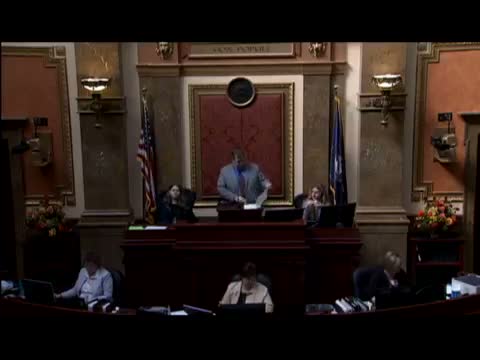
The Utah House of Representatives on Feb. 16 passed House Bill 79, a measure aimed at restoring a court’s equitable authority long described in some cases as the private attorney general doctrine. The bill passed the House by a vote of 57 yes to 13 no and will be forwarded to the Utah Senate for further consideration.
Sponsor Representative Mike Greene told colleagues the bill does not create a new cause of action but seeks to recognize an "inherent judicial power" to award attorneys’ fees in narrow circumstances when a plaintiff vindicates an important public policy. Greene said the statutory restriction adopted in 2009 has not prevented suits but has often redirected litigation to federal courts and that the legislature could correct that earlier action.
Supporters, including Representative Jason King, framed the bill as a tool to encourage private enforcement of public benefits and to ensure individuals who litigate to protect the public interest are not left uncompensated. "That is false," King said in rebuttal to a flyer circulated on the floor that argued the bill would apply to private businesses; he insisted the provision targets suits that vindicate public interests.
Opponents raised concerns about scope and fiscal risk. Representative Nelson said restoring the doctrine could allow litigants to circumvent the political process and expose public entities to unbudgeted awards for fees and damages. Several members emphasized the policy tradeoffs between enabling private enforcement and protecting public budgets.
The House debated procedural motions, including a motion to limit debate, and moved to final passage after a summation from the sponsor. The bill’s passage restores to Utah courts the discretionary, equitable authority—described in court decisions—under which, in tightly defined cases, a judge may award attorney fees to a successful plaintiff who has produced a public benefit.
The House record shows the bill passed and will be referred to the Senate for its consideration.