Get Full Government Meeting Transcripts, Videos, & Alerts Forever!
Get email alerts on the Public Lands topic
No spam. Unsubscribe anytime.
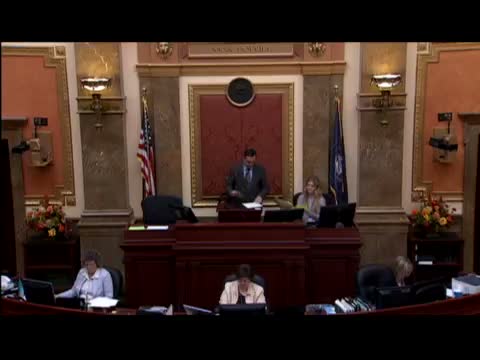
Utah House debates resolution urging congressional exemption from Antiquities Act
Summary
A House joint resolution urged Congress to pursue exemption of Utah from the federal Antiquities Act, setting off a prolonged floor debate about local control, national conservation tools and economic access to public lands. Supporters called for 'bottom-up' decisions; opponents warned of risks to nationally significant protections.
Representative Albrecht introduced HJR 1, a joint resolution “encourag[ing] Congress to pursue legislation exempting Utah from the Antiquities Act,” framing the measure as a fix to what he called an opaque federal process that can block local access and uses.
Supporters argued the Antiquities Act concentrates executive power and has produced monument designations that, they said, impeded access and local economic uses. Representative Albrecht said the resolution is “more about restoring civility and letting the people decide” and described struggles local users faced after the creation of large national monuments.
Opponents pushed back on historical and conservation grounds. Representative Briscoe and other members said presidential monument designations have led to nationally protected lands and noted federal statutes and regulations—such as the National Historic Preservation Act, Clean Water Act and NEPA—also govern impacts. Representative Briscoe said the Antiquities Act historically supported protections that later became national parks.
Other speakers raised mixed arguments about process and outcomes. Representative Noel described monument histories and argued that other federal environmental laws already provide protections, while several members urged continued dialogue between local and federal stakeholders. The debate touched on economic concerns (access to transmission lines and infrastructure) and cultural protections; speakers on both sides emphasized differing views on whether monument designations benefit or harm local communities.
The House debated HJR 1 at length on the floor; members emphasized process and the role Congress and the president play in land-designation decisions. The transcript records extended discussion but does not replace congressional action—HJR 1 is a resolution urging congressional consideration rather than a statute or rule change.
The House proceeded with other business after debate on the resolution; the transcript records the debate and the range of perspectives expressed, with a focus on process and local versus federal control of public lands.