Get Full Government Meeting Transcripts, Videos, & Alerts Forever!
Get email alerts on the Family Policy topic
No spam. Unsubscribe anytime.
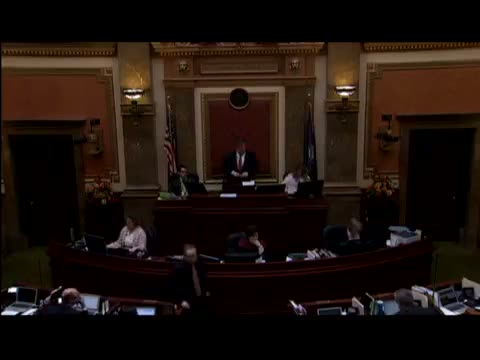
House advances plan for state fatherhood commission amid questions about scope and government role
Summary
Representative Winder won approval to substitute language for HB207, creating a fatherhood and healthy relationships initiative that sponsors said will convene existing public and private programs; members questioned why the state should create a commission rather than rely on nonprofits and how the commission would help establish paternity or provide concrete services.
Representative Winder presented House Bill 207 as an attempt to coordinate a patchwork of public- and private-sector programs that support fathers and families. "One of the great things we have as state government is the convening authority," Winder said, arguing a state commission can bring stakeholders together and amplify existing programs used in about 15 other states.
Members questioned the need for a government-created entity versus private-sector collaborations. Representative Thurston asked specifically why the state should form a commission and whether private nonprofits could perform the same functions; Winder responded that state convening power increases participation and seriousness of effort. Representative Nelson and others pressed for detail on concrete actions the commission would take to help unwed fathers establish paternity and whether the commission would fund legal counsel or give legal advice; the sponsor said the commission would not have authority to legislate or provide legal counsel but would identify and coordinate resources.
Representative Sandahl and other skeptics raised concerns about the commission’s size (23 voting members) and scope, arguing a large state board may not be the most effective mechanism. The sponsor and supporters countered that broad stakeholder representation helps coordination and that the bill follows a model successful in other states.
Floor action recorded that the House substituted the bill (second substitute adopted) after stakeholders provided input in committee. The transcript includes members’ questions and the sponsor’s summation urging support for convening resources rather than creating a large new government program.