Get Full Government Meeting Transcripts, Videos, & Alerts Forever!
Get email alerts on the Criminal Justice topic
No spam. Unsubscribe anytime.
Lawmakers debate allowing post‑conviction DNA retesting in Utah (SB 33)
Summary
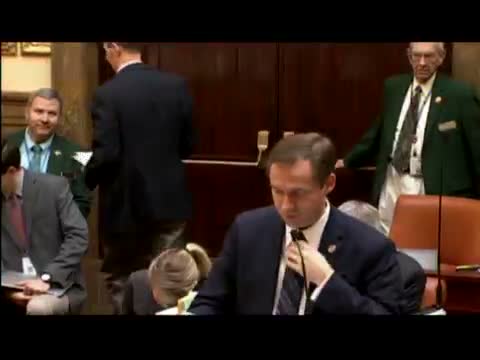
Representative Lisonbee urged the House to uncircle Senate Bill 33 to allow post‑conviction DNA retesting when prior testing was unavailable or insufficient, citing wrongful‑conviction statistics and individual cases; floor voting was opened and an amendment was proposed.
Representative Lisonbee presented and spoke in favor of uncircling Senate Bill 33, which would permit post‑conviction DNA retesting in circumstances where earlier testing procedures or limitations prevented adequate analysis. Lisonbee told the House Utah is among the few states that restrict requests for retesting and used national exoneration figures and the case of James Tillman — described as spending 18½ years in prison before exoneration — to argue for the change. “Removing this provision will not open the floodgates for post conviction DNA testing, and in fact, the prisoner has to pay for the cost,” Lisonbee said on the floor as part of the bill presentation.
Supporters on the floor emphasized modern DNA methods can test evidence previously considered untestable; one sponsor noted improvements in forensic capability and argued the bill corrects statutory unfairness that can prevent potentially exonerating testing. Representative Quinn was recorded as offering an amendment during the floor sequence. The Chair opened voting on SB 33; the transcript excerpt ends with amendment activity and the vote open, with further procedural steps to occur after amendment consideration.
The debate combined policy arguments about fairness, technical forensic capability, and procedural limitations that have prevented some post‑conviction retests. The transcript records sponsor testimony and an amendment proposal; the final recorded tally for SB 33 was not provided in the excerpt.