Get Full Government Meeting Transcripts, Videos, & Alerts Forever!
Get email alerts on the Duty To Assist topic
No spam. Unsubscribe anytime.
Utah House rejects bill that would criminalize failure to call 911 in narrow emergencies
Summary
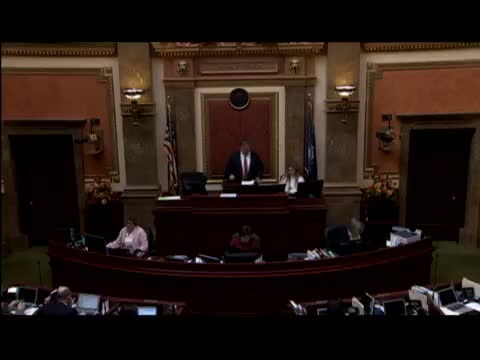
After a lengthy floor debate about criminalizing inaction and prosecutorial discretion, the House voted 20–51 to defeat Representative King’s first-substitute HB125, a narrowly drawn measure that would have made failure to call 911 a class B misdemeanor when someone observes a crime or emergency causing serious bodily injury.
Representative John King (sponsor) described first substitute House Bill 125 as a narrowly targeted ‘‘duty to assist’’ designed to require bystanders who observe crimes or emergencies causing serious bodily injury to dial 911. ‘‘The bill makes it a class B misdemeanor to fail to call 911 if you observe a crime or an emergency that is causing or has caused serious bodily injury,’’ King said during his floor presentation, citing the statutory definition of serious bodily injury in the criminal code.
Opponents raised constitutional and practical concerns over criminalizing inaction. Representative Nelson argued that the bill departs from long-standing criminal-law principles by penalizing omission without intent and said that the measure risks criminalizing children or other vulnerable witnesses in some domestic-violence scenarios. Representative Quinn and others warned the bill could invite prosecutorial overreach and urged caution before expanding criminal exposure.
King and other supporters said the measure was deliberately narrow, noting preserved privileges (attorney–client, priest–penitent, doctor–patient, spouse) and an exception where another individual is already providing reasonable assistance. King also said the bill amends Utah’s Good Samaritan protections to grant immunity to those who render emergency aid in good faith and who dial 911.
The sponsor framed the proposal as an extension of existing Utah reporting laws for vulnerable populations. He cited existing criminal reporting duties for child and elder abuse that have been on the books for decades and said the proposal is a modest expansion designed to protect people suffering serious injury and to deter ‘‘callous indifference.’’ Supporters repeatedly referenced high-profile cases where bystanders did not report crimes as illustrative of the bill’s intent.
After more than an hour of questions, hypotheticals and back-and-forth on statutory language and prosecutorial discretion, the House held a roll-call vote. The clerk recorded the final tally: first substitute HB125 received 20 yea votes and 51 nay votes, and the bill failed and was referred to staff for filing.
What’s next: The transcript shows the bill failed on final passage; sponsor and supporters indicated they had narrowed language during the process and suggested future work could address members’ concerns, but no subsequent action or re-referral is recorded in the floor transcript.