Get Full Government Meeting Transcripts, Videos, & Alerts Forever!
Get email alerts on the Funeral Policy Environment topic
No spam. Unsubscribe anytime.
House approves bill to regulate alkaline hydrolysis; floor debate focuses on dignity and environmental safeguards
Summary
First substitute HB 121 to regulate alkaline hydrolysis (water cremation) passed the House after extensive questioning about who may perform the process, effluent treatment and religious and dignity concerns; supporters said licensing and environmental review will protect public health.
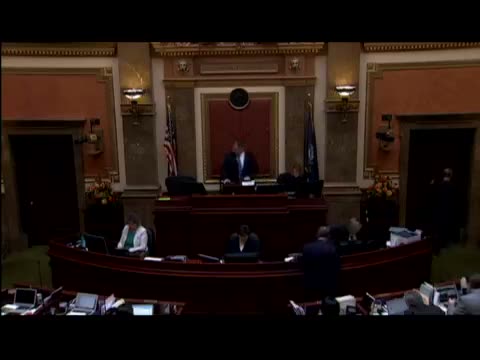
The Utah House on Feb. 6 approved first substitute House Bill 121 to regulate alkaline hydrolysis, a water‑based process for human remains sometimes called "water cremation." Supporters described the bill as providing consumer choice with licensing and environmental safeguards; several lawmakers raised religious, dignity and environmental questions during a lengthy floor debate.
Representative Handy (first appearance SEG 783), the sponsor, said the substitute incorporates items requested by medical examiners and would require the process be performed by a licensed funeral director in a licensed funeral home. He described it as an environmentally friendly option that has been studied and is in use at institutions such as the University of Utah and UCLA.
Opponents and questioners pressed for technical and environmental specifics. Representative Thurston (first appearance SEG 889) asked whether the process is currently allowed and how the Department of Motor Vehicles or licensing would regulate it; Representative Peterson (first appearance SEG 1357) asked about waste streams from the process and where effluent goes. Representative Noel (first appearance SEG 1430) and others asked whether DNA remains, whether dissolved material enters municipal sewers and whether treated water could re‑enter drinking supplies.
Sponsor Handy and other supporters answered that remains are contained and that the effluent is treated to an acceptable pH and reviewed under local environmental permitting; he said some organic material can be captured and used to generate methane for energy capture. Handy stated on the floor that "the effluent contains no DNA" and emphasized that municipalities would require permits and that the process is subject to environmental review.
Several members said they would vote against the bill on personal or religious grounds; others voiced support for regulated consumer choice and protections. Representative Owens (first appearance SEG 1396) noted he had consulted a licensed funeral director and said licensing was appropriate because of transportation and related laws.
The House recorded the final vote on the first substitute to HB 121 as 53 yes and 14 no and passed the measure to the Senate for further consideration (SEG 1607–1609).
What happens next: HB 121 will go to the Senate for consideration; supporters said the bill establishes licensing and environmental review and opponents said they remain concerned about dignity and potential environmental pathways for treated material.