Get Full Government Meeting Transcripts, Videos, & Alerts Forever!
Get email alerts on the Criminal Justice Manslaughter topic
No spam. Unsubscribe anytime.
Utah House passes manslaughter amendments after debate over end‑of‑life care language
Summary
The House passed first substitute HB 86, expanding manslaughter provisions tied to assisted‑suicide facts and adding a predicate offense for fleeing that resulted in death; lawmakers debated whether the bill protects clinicians or risks criminalizing end‑of‑life care.
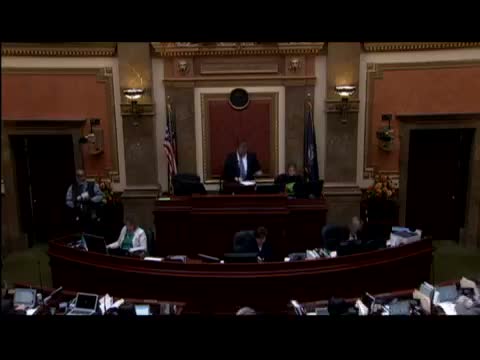
The Utah House on Feb. 6 passed first substitute House Bill 86, a manslaughter‑amendment measure proponents said would give prosecutors a clearer tool to charge cases with assisted‑suicide‑style facts, while opponents warned the language could chill end‑of‑life medical care.
Representative John McHale (first appearance SEG 215), the bill sponsor, told colleagues the measure arose from a case involving a Salt Lake County teen and an adult who encouraged and facilitated the teen's suicide. McHale said the bill adds conduct such as aiding another in taking their own life to a list of predicate offenses prosecutors can use when a death results and noted the bill includes mens‑rea language requiring proof someone acted "intentionally and knowingly." He said the change would give prosecutors options in cases that are difficult to charge under existing statutes.
Representative Chavez Hauck (first appearance SEG 299) opposed a second substitute and argued in floor remarks, "Medical aid in dying is not suicide," citing policy positions from medical associations to distinguish end‑of‑life pain relief from criminal conduct. Chavez Hauck later moved an amendment to strike language she said risked criminalizing compassionate providers; that amendment failed on a recorded division (13‑54).
Several members, including Representative Ward (first appearance SEG 454) and Representative Redd (first appearance SEG 515), questioned how courts or prosecutors would distinguish ordinary palliative pain management from actions intended to help someone end their life. Ward pressed the sponsor on the bill's mens‑rea provisions, noting situations where intent and motive may be ambiguous and expressing concern that prosecutors or family members could struggle to delineate between lawful pain relief and unlawful assistance.
Representative McHale and supporters said the bill includes safeguards: it requires proof beyond a reasonable doubt that a provider "intentionally and knowingly" acted to aid suicide and contains protections for actions taken within the medical standard. McHale said the measure "is a tool for prosecutors" in egregious cases and urged support.
The chamber adopted the first substitute on voice vote and then voted on final passage; the clerk recorded 51 yes and 18 no votes and announced that the first substitute to HB 86 passed and the bill would be transmitted to the Senate for further consideration (SEG 692–694).
What happens next: HB 86 will go to the Utah Senate for consideration on its own calendar. The House debate underscored continuing policy tensions between protecting clinicians who provide palliative care and ensuring criminal statutes can address cases where an adult intentionally encourages or facilitates another’s death.