Get Full Government Meeting Transcripts, Videos, & Alerts Forever!
Get email alerts on the Abortion Policy topic
No spam. Unsubscribe anytime.
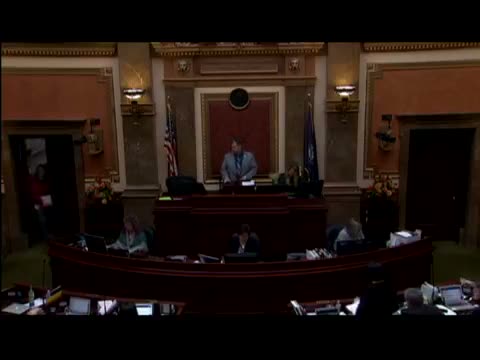
House passes Down Syndrome Non‑Discrimination Abortion Act after extended debate and germane ruling on substitute
Summary
House Bill 205, requiring informed-consent consultations for prenatal Down syndrome diagnoses and prohibiting abortion when sought solely for that diagnosis, passed the House after lengthy debate. A proposed substitute tying short-term DSPD waiting‑list funding to the bill was ruled not germane and excluded; the amended anti‑discrimination language moved forward.
Representative Lisenby presented House Bill 205, the Down Syndrome Non-Discrimination Abortion Act, explaining it requires that results of prenatal screening or diagnostic tests indicating Down syndrome be delivered in a licensed in-person consultation or telehealth/telephone conference and that physicians provide contact information for parent support groups and referrals to specialists.
"To address these issues, HB 205 requires the result of any prenatal screening or diagnostic test that indicates an unborn child has or may have Down syndrome be delivered by a licensed prenatal provider at an in person consultation or a telehealth or telephone conference," Lisenby said, and described an informed-consent requirement and a prohibition on performing an abortion when the provider knows the woman is seeking the procedure solely because of a Down syndrome diagnosis.
Representative Ward offered a second substitute that would have required a one-time allocation to provide services to roughly 250 individuals who have been on the DSPD waiting list for more than one year; the sponsor of the substitute estimated an ongoing fiscal note of approximately $1,800,000. Supporters of the substitute argued the state should shoulder responsibility to provide services if it asks parents to accept caregiving responsibility. Opponents and the bill sponsor objected that the substitute was not germane to the underlying anti‑discrimination measure because it addressed appropriations and the DSPD waiting list (a separate appropriations/policy issue).
The House parliamentarian and the presiding officer found the substitute not germane to HB 205; members then voted to end debate and proceeded to final action. Representative Lisenby read remarks from Amber Merkley of the Utah Down Syndrome Foundation, who urged protections against discrimination arising from prenatal testing.
The amended HB 205 passed the House and was transmitted to the Senate for consideration.
Why it matters: The bill addresses whether prenatal diagnoses of Down syndrome should trigger different counseling and whether abortions performed for that reason should be prohibited; the debate also surfaced state responsibilities for services to people with disabilities and how those obligations intersect with appropriations.
What happens next: The measure moves to the Senate; the appropriations question raised by the failed substitute may be pursued separately.