Get Full Government Meeting Transcripts, Videos, & Alerts Forever!
Get email alerts on the Election Process topic
No spam. Unsubscribe anytime.
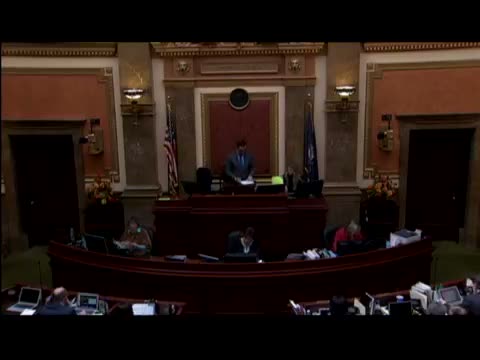
House debates bill letting parties choose single- or dual-path nominating system
Summary
A floor debate centered on a bill that would let qualified political parties designate themselves as 'single path' or 'dual path' for nominating candidates; sponsor said both candidate routes remain available but parties may not pursue both simultaneously. Lawmakers asked how the change would affect unaffiliated candidates and ballot access.
Representative Fauson introduced 'Political party amendments,' telling the House the bill gives a qualified political party the option to be a single-path or dual-path party while leaving both candidate routes available overall. "It doesn't close down either path," the sponsor said, adding the change prevents a party from pursuing both paths simultaneously.
Supporters and opponents focused on electoral effects. A question from the floor clarified that candidates who meet the signature threshold would still be guaranteed a place on the ballot, while candidates who go through the caucus-and-convention route would only advance if they meet the caucus threshold. Representative Ward warned the measure could push many candidates to the signature route and weaken the caucus-convention system, saying it could "dry up the balance that we have right now." Representative Chavez Hauck spoke in opposition, expressing concern the bill would chill participation by unaffiliated voters and force association.
Sponsor clarifications included that the bill does not change the separate legal pathway for unaffiliated candidates and that the shortened filing period for signature gatherers (to the 1st–5th of June) aims to tighten the calendar. Members also discussed potential interaction with the 'count my vote' initiative and how to reconcile the two if both become law.
The House did not record a final floor passage of this measure in the provided transcript segment; the record shows substantive debate and procedural questioning on the bill's scope and likely effects.