Get Full Government Meeting Transcripts, Videos, & Alerts Forever!
Get email alerts on the State Policy Priorities topic
No spam. Unsubscribe anytime.
Utah House opening address spotlights transportation, homelessness response and opioid action
Summary
The Speaker of the Utah House used the opening address to highlight education gains, push for multimodal transportation planning and governance changes, and to press continued action on Operation Rio Grande, resource centers and opioid litigation and treatment expansion.
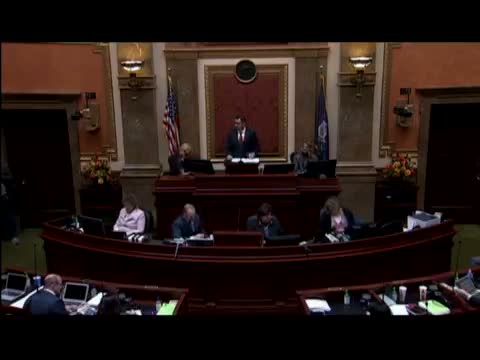
The Speaker of the Utah House opened the 2018 session with a broad policy call that placed transportation, homelessness and the opioid crisis at the top of the chamber’s agenda.
In remarks that ran more than 400 segments of the record, the Speaker credited recent reforms in public education and juvenile justice, and called for members to focus on long-term infrastructure solutions. “We're a growing state,” the Speaker said, stressing the need for multimodal planning and at-scale governance that can oversee large transportation assets.
The address also reviewed the state’s months of work on Operation Rio Grande, the law-enforcement and treatment effort in Salt Lake City’s downtown corridor. The Speaker described recent openings of treatment beds and said resource centers will be part of the state’s broader response: communities that have plans and facilities will receive state resources, while other districts should prepare bids to host facilities.
On the opioid crisis, the Speaker said federal and local partners were important but urged a more aggressive posture toward pharmaceutical manufacturers. “We need to go after those big pharma pharmaceutical companies,” the Speaker said, and encouraged counties to consider litigation as a means to change industry practices while also expanding treatment capacity.
The Speaker framed several upcoming bills as efforts to protect legislative prerogatives and separation of powers, and urged members to “laser in” on legislation he said would safeguard the branch. He also previewed proposed governance changes for regional transportation boards and signaled heavier transportation-related legislation during the session.
The address closed with a reminder of the governor’s upcoming State of the State address and a request that members balance civility with political courage as they consider difficult reforms.
The House proceeded to hear committee reports and to place dozens of bills on the calendar after the address.