Get Full Government Meeting Transcripts, Videos, & Alerts Forever!
Get email alerts on the Transportation Policy topic
No spam. Unsubscribe anytime.
House passes bill to pause rideshare assessments once recovery fund reaches $50,000
Summary
Lawmakers approved a substitute for HB 47, which removes an ongoing assessment on rideshare companies once a $50,000 Department of Commerce reserve exists; companies agreed to reinstate assessments if the fund is depleted.
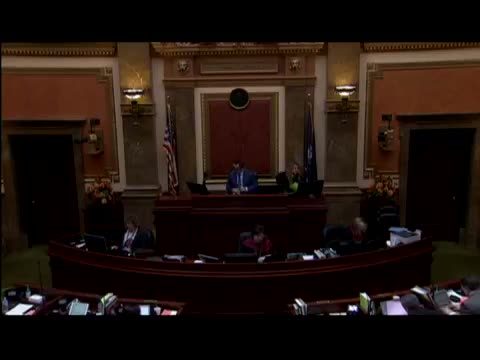
SALT LAKE CITY — The Utah House on Jan. 24 passed the first substitute to House Bill 47, a bill amending the Transportation Network Vehicle Recovery Fund that previously required rideshare companies to pay assessments into a state-managed reserve.
Representative James A. Dunnigan, sponsor on the floor, explained that earlier legislation required rideshare firms to contribute to a fund designed to cover collision repairs not paid by drivers' private insurance. Under prior law the payments stopped once the fund reached $50,000; the substitute removes an ongoing requirement for assessments while leaving the $50,000 balance intact. Dunnigan said there have been no claims since the fund reached $50,000 and that rideshare companies agreed to resume assessments if the reserve declines.
"There's one modest change," Dunnigan told the chamber, describing the arrangement as a way to preserve the reserve without continuing to impose an assessment while no claims are occurring.
The House adopted the substitute and recorded a final tally of 71 yes, 0 no. The bill will be transmitted to the Senate for consideration. The Department of Commerce will retain the reserve and would monitor fund levels under the adopted language; sponsors said the companies have agreed to reinstitute assessments if claims deplete the reserve.
Next steps: the bill will proceed to the Senate for consideration.