Get Full Government Meeting Transcripts, Videos, & Alerts Forever!
Get email alerts on the Child Safety topic
No spam. Unsubscribe anytime.
Utah Senate passes law requiring booster seats for young children
Summary
The Utah Senate on March 5 passed House Bill 140, requiring booster seats for children under 8 or 57 inches tall. Supporters cited injury statistics; opponents raised enforcement and liberty concerns. The bill passed the Senate 17–11 with one absent and returns to the House.
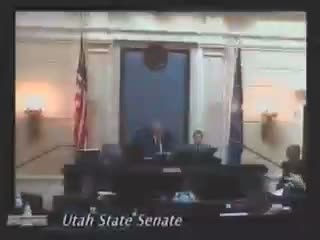
The Utah Senate passed House Bill 140 on March 5, a measure that would require parents and adults to provide booster seats for children ages 3 through under 8 and for anyone 57 inches (4 feet 9 inches) tall or less.
Sponsor Senator Bell framed the bill as a public-safety step backed by crash data, saying, “House Bill 140 imposes on parents and adults the obligation to provide a booster seat for young persons 3 to 8 years of age.” Bell told colleagues that booster seats reduce injury risk substantially: “When we take unrestrained children and put them in seat belts, the accident reduction injury reduction is 38 percent. From there, when you put these eligible children in a booster seat, you reduce injuries by 59 percent.”
Why it matters: Supporters argued the law aligns Utah with most other states and would prevent severe injuries among children in crashes. Opponents, including Senator Jenkins, said the measure could be difficult to enforce and would intrude on personal choice; Jenkins warned the law could complicate carpooling and impose burdens on families and enforcers. Several senators emphasized that the proposal is limited to booster seats and does not change existing infant car-seat rules.
Legislative outcome: After debate, Senator Bell moved final passage. The roll-call showed House Bill 140 received 17 yes votes, 11 nay votes and 1 absent. The measure passed the Senate and will be returned to the House for further action.
Next steps: The bill proceeds back to the House for signature and any further action there. Any implementation or enforcement guidance would follow the usual rulemaking or agency guidance steps if the bill becomes law.