Get Full Government Meeting Transcripts, Videos, & Alerts Forever!
Get email alerts on the Water Rights topic
No spam. Unsubscribe anytime.
Senate approves water-rights bill to shield public suppliers from forfeiture
Summary
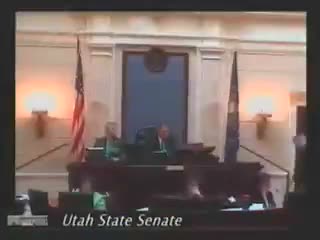
After extended debate, the Senate passed fifth substitute House Bill 51 to define 'public water supplier,' extend forfeiture timelines and protect municipal planning from automatic water-rights forfeiture; the measure passed 26-0 and included intent language clarifying state policy.
Senator Dayton moved and the Senate approved fifth substitute House Bill 51, a comprehensive package of water-rights amendments intended to protect public water suppliers from automatic forfeiture while they plan and build infrastructure. The bill defines a "public water supplier," extends the forfeiture period and lists exceptions and protections for municipalities and other public suppliers.
Supporters said the change responds to confusion over nonuse and forfeiture rules that had prompted cities to avoid filing nonuse applications. "This fifth substitute does two things. It defines a public water system and it clearly delineates what are the reasons to avoid forfeiture," Senator Dayton said on the floor, explaining that the bill protects public water suppliers who are planning for future development and makes the forfeiture period seven years instead of five. The sponsor said the bill does not change the state water engineer's role or the change-of-use application process.
Senators asked about whether cities that lease water or hold rights currently not in active use would be covered; Dayton replied that many cities lease water and the bill's protections are intended to allow planning without automatic forfeiture. Senator Van Tassel pressed whether newly acquired water would need state engineer approval before receiving protection; Dayton said rights applied for after the bill's effective date must go through the change-application process to be exempted from forfeiture.
Under suspension of the rules the Senate passed the bill by roll call, with the clerk recording 26 yea votes, 0 nay votes and 3 absent. After final passage Dayton moved and the Senate adopted intent language that reiterates state policy to secure the maximum use and benefit of scarce water resources, clarifies that the measure is not intended to permit speculation or out-of-state acquisition, and affirms it is not meant to change how the state engineer evaluates historical beneficial use.
The bill will be transmitted to the House for further consideration. The Senate debate emphasized the bill's narrow purpose: to prevent inadvertent loss of water rights by public suppliers engaged in long-term planning and construction of costly public water systems.