Get Full Government Meeting Transcripts, Videos, & Alerts Forever!
Get email alerts on the Animal Welfare topic
No spam. Unsubscribe anytime.
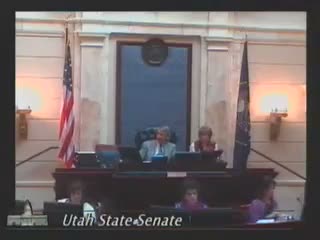
Senate advances animal-torture, cruelty measure after heated debate
Summary
The Utah Senate advanced Senate Bill 297, which defines torture of companion animals and creates felony penalties for the most serious offenses, after extended debate and a failed amendment to reduce penalties. The bill cleared a procedural third-reading vote and will proceed in the process.
The Utah Senate advanced Senate Bill 297 on a procedural third-reading vote after lengthy floor debate over how severely the state should punish defined acts of animal torture.
Senator Christiansen, the bill sponsor, told colleagues the measure “defines what torture is” and said the legislation draws a line between neglect and the unusually brutal conduct the bill targets. The bill establishes that intentionally causing extreme physical pain to a companion animal — defined in the measure as a domestic dog or cat — can amount to a third-degree felony on a first offense in the statute’s most serious formulations and creates exceptions and reporting protections for veterinarians.
Proponents described the measure as a negotiated compromise. “We have something that we can all live with in this bill,” Christiansen said, noting both the Humane Society and the Farm Bureau indicated they could accept the draft after committee work.
Opponents and several senators pressed for a lighter penalty for certain conduct. Senator Jenkins offered an amendment to change a provision on a specified line from a third-degree felony to a Class A misdemeanor; Jenkins argued a Class A misdemeanor still carries significant penalties and would avoid imposing felony status in some factual circumstances. Jenkins said the misdemeanor proposal remained a “powerful deterrent.”
Supporters of the original text warned that rolling back felony language would undo hard-won stakeholder compromises and leave the bill insufficient to address the worst acts of torture. Senator Bell told colleagues the working agreement previously reached contemplated a felony on second offense in some circumstances and that the amendment would be a step backward.
The Jenkins amendment was debated at length and failed on the floor. After the vote on amendments and debate, the Senate moved to read SB297 for a third time; the clerk recorded 22 yeas, 6 nays and 1 absent on that procedural action.
The bill’s sponsor framed the measure as a compromise between advocacy groups and agricultural interests and said the text balances concerns about overcriminalization with the need to address especially depraved cruelty. The Senate’s action sends the bill to its next legislative step.
The Senate returned the bill to the calendar for third-reading procedures; no final effective-date language was enacted on the floor during the debate recorded in the transcript.