Get Full Government Meeting Transcripts, Videos, & Alerts Forever!
Get email alerts on the Invasive Species topic
No spam. Unsubscribe anytime.
Senate adopts first substitute creating tools to prevent invasive mussel infestations
Summary
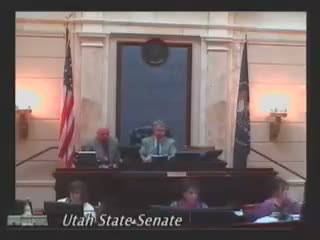
The Senate substituted and approved first substitute SB238 to give the Division of Wildlife Resources authority to inspect, detain and require decontamination of vessels and equipment to stop invasive mussels; roll call on the substitute was 25-0 with four absent.
The Utah Senate approved a first substitute to Senate Bill 238, the Aquatic Invasive Species Interdiction Act, authorizing the Division of Wildlife Resources to take preventive and enforcement actions to stop infestations of invasive mussels.
Sponsor Senator Greiner described the problem as an expanding infestation that has reached the Great Lakes and Lake Mead and said the bill would "give the Utah Division of Wildlife Resources the tools and authority it needs to prevent an infestation of invasive mussels." The substitute defines prohibited conduct (possession, release, transportation), requires decontamination of conveyances and equipment moving from infested waters, authorizes administrative decontamination orders, establishes reimbursement of state cleanup costs, and includes criminal penalties and rulemaking authority for the Wildlife Board. It also provides consultation requirements and limits on closing water-supply systems where protective plans exist.
The chamber moved to substitute the bill by deleting its title and body and inserting the first substitute; the motion carried without debate. A roll-call on the substitute recorded 25 yes votes, 0 no votes and 4 absent. The first substitute was then read for a third time and advanced.
Why it matters: Proponents framed the measure as prevention-focused, giving state natural-resources authorities tools to stop or limit infestations that can damage infrastructure and require expensive remediation.
Next steps: The bill will proceed through remaining steps for enactment and implementation by the Division of Wildlife Resources under the rulemaking authority granted in the measure.