Get Full Government Meeting Transcripts, Videos, & Alerts Forever!
Get email alerts on the Immigration Policy topic
No spam. Unsubscribe anytime.
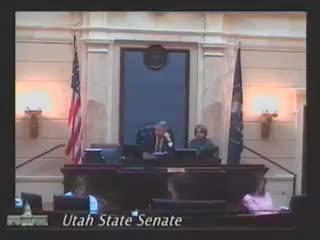
Utah Senate narrows language, circulates immigration measure after heated debate
Summary
The Utah Senate debated multiple immigration-related measures and proposed criminal-intent language to limit landlord liability; Senators voted to send at least one measure to committee and circled another for further work while several immigration resolutions passed the floor.
Salt Lake City — Lawmakers in the Utah State Senate spent a substantial portion of the floor session debating immigration legislation and narrowly tailored amendments aimed at limiting the law’s reach for landlords and religious or charitable providers.
Senator Hickman, sponsor of Senate Bill 81, opened extended floor debate, noting the measure had been the subject of an earlier long discussion and that members had raised concerns about potential unintended consequences for landlords, faith communities and businesses. "We are not saying we want to punish people ... we're saying we want to have people obey the laws," Hickman said, framing the bill as targeted enforcement rather than broad punishment.
During debate, senators proposed inserting intent-focused language into the bill’s provision on concealment and harboring (line 604) to avoid capturing well-intentioned landlords or those offering shelter for noncriminal, humanitarian reasons. Senator Niederhauser pressed to add the word "intentionally"; others recommended "knowingly and intentionally." Senator McCoy urged stronger specificity, offering a substitute to require conduct be committed "knowingly with the intent to violate federal immigration law." "This is a sincere effort to try and deal with this landlord issue," McCoy said, arguing the phrasing would focus enforcement on actors who intend to subvert federal law.
Senators debated whether the changes would effectively protect good-faith landlords or instead create enforcement ambiguity. Senator Walker asked practical questions about how landlords should verify immigration status, saying the measure "will have some transition challenges in terms of landlords ... knowing where to go and how to deal with these challenges." Several members urged legal review to ensure the chosen phrasing produced the intended legal effect.
After exchange and a recorded division on substitute motions, the Senate took procedural action on the bill: the body voted to "circle" Senate Bill 81 — a procedural status indicating additional work or postponement — and signaled the likely need for conference committee work on related measures. The transcript records amendment motions and division votes on the intent language before the bill was circled.
At the same time the Senate advanced other immigration-related items: Senate Resolution 3, petitioning Congress to address immigration policy, passed the body on final reading, and Senate Concurrent Resolution 5 (calling for balanced immigration reform and urging congressional action on guest worker visas and related practices) was read for the third time and recorded as passing. Senator Matson, speaking for Resolution 3, said it "highlights the need for our federal government to act" on border and immigration policies.
What’s next: Several immigration bills were circled or sent to conference committee for further drafting and legal review, and sponsors said they expect to refine intent language and consult legal counsel before resubmitting. The transcript shows the Senate scheduling follow-up work rather than issuing final policy determinations during this session.
Votes and procedural outcomes referenced in this article appear in the Senate floor transcript for the session.