Get Full Government Meeting Transcripts, Videos, & Alerts Forever!
Get email alerts on the Immigration Employment Verification topic
No spam. Unsubscribe anytime.
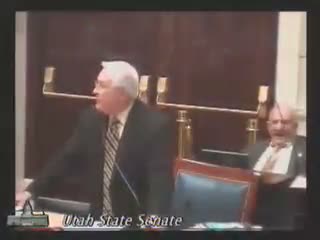
Utah Senate approves employer verification bill after heated debate and amendments
Summary
The Utah Senate passed First Substitute Senate Bill 81 on Feb. 25, 2008, a measure tightening employee verification tied to immigration status after floor amendments that delayed some effective dates and narrowed enforcement exposure for contractors; the measure passed 24–5 and was sent to the House.
The Utah Senate on Feb. 25 passed First Substitute Senate Bill 81, a bill that strengthens employer verification requirements related to immigration status, after hours of floor debate and several amendments.
Senator Greg Hickman (sponsor) said the substitute reflects negotiated changes and called on the Legislature to act where he said federal lawmakers have not. "Had the Federal Congress taken this issue up the way they properly should have, we wouldn't be here today. But they have not, and they have failed miserably," Hickman said in a floor summation urging passage.
The Senate adopted three substantive floor amendments before final passage. Amendment No. 4 clarified that verification requirements apply only to employees working in Utah when a contractor employs workers across multiple states and made explicit that replacing an employee with an undocumented worker could be treated as an unlawful employment practice. Amendment No. 1, offered by Senator Jenkins, moved most implementation dates to July 1, 2009, in part to allow a task force time to study the law's effects. Amendment No. 3, debated but ultimately failing to pass, would have adjusted contractor liability for multilayer subcontracting.
Opponents warned of unintended consequences. Senator Romero cautioned that constitutional protections and federal civil‑rights statutes apply to all persons physically in the U.S., saying, "The constitution as well as the Fair Housing and other civil rights apply to all persons here in America." Other senators raised economic concerns, citing experiences in other states and urging study of potential labor‑market impacts.
Supporters said the bill reflects compromise and stakeholder input and includes provisions to limit overbroad penalties on businesses. After extended debate and multiple explanations of vote decisions, the roll call showed the bill received 24 yes votes and 5 no votes; the Senate transmitted the bill to the House for further action.
The bill as amended now contains clarified contractor/subcontractor verification responsibilities, delayed major effective dates to mid‑2009, and civil‑rights language and enforcement provisions as passed in the Senate. The House will now consider the Senate's substitute and amendments.
What happens next: The bill was referred to the Utah House for concurrence and further action; the Senate record notes that a Jenkins task force may study implementation and economic impacts during the interim.