Get Full Government Meeting Transcripts, Videos, & Alerts Forever!
Get email alerts on the Legislative Roundup topic
No spam. Unsubscribe anytime.
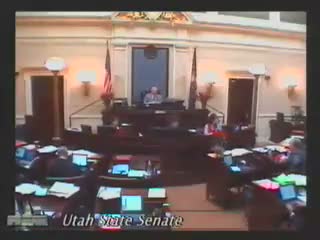
Senate advances multiple bills on third reading, including retirement cleanup and child‑care exemptions
Summary
During the floor session senators advanced multiple measures for third reading: SB182 (survivorship damages code correction), SB116 (Utah Retirement System cleanup), SB176 (unemployment insurance contribution rounding and reserve policy), SB184 (childcare licensing exemptions/recodification) and others; several measures passed on the floor by recorded roll call votes.
The Utah Senate advanced a slate of measures to third reading during the floor session, moving a number of policy and technical bills toward final passage. Several bills received roll‑call tallies on the floor as senators explained votes or offered brief remarks.
Notable third‑reading advances and floor tallies announced on the record included:
- Senate Bill 182 (survival action upon injury or death): sponsor explained the substitute corrects a code reference and clarifies survivorship damages so heirs may recover general damages when appropriate; first substitute received 22 yea votes, 0 nay and 7 absent and was ordered for third reading.
- Senate Bill 116 (Utah Retirement System cleanup): annual cleanup bill with a substantive change increasing the actuarial evaluation cycle from two to three years; roll call announced 22 yea, 0 nay, 7 absent.
- Senate Bill 176 (unemployment insurance contribution rate amendments): rounds contribution calculations and sets an adequate trust fund reserve target; sponsor said the measure had both labor and employer support and the floor recorded 28 yes votes, 0 nay for third reading.
- Senate Bill 184 (childcare licensing recodification/exemptions): second substitute was described as clarifying exemptions for certain volunteer or community providers (for example, Boys & Girls Clubs and campus programs) while preserving background checks and some oversight; the second substitute received 27 yes, 0 nay, 2 absent.
- Senate Bill 185 (economic incentive revision): sponsor described verification, refund caps (50% in a single year and 30% over a 20‑year period) and reporting provisions to the Tax Review Commission; first substitute recorded 25 yes, 0 nay, 4 absent.
- Senate Bill 188 (pilot program for summer school and after‑school services for children with disabilities): described as a one‑time pilot providing training and reporting to community organizations to expand services to children with disabilities; amendment adopted and roll call recorded 25 yes, 0 nay, 4 absent.
Floor actions also included procedural moves such as placing bills on standing committees, circling/uncircling measures and introductions of technical amendment substitutes. For several bills the sponsors emphasized stakeholder input and that the changes were technical or non‑controversial; for others senators asked targeted questions about implementation, fiscal notes and oversight.
Where floor tallies were recorded, the Clerk’s announcements were used to order the measures for third reading; measures that received recorded majorities were advanced according to the Senate calendar.