Get Full Government Meeting Transcripts, Videos, & Alerts Forever!
Get email alerts on the Justice Of The Peace Reform topic
No spam. Unsubscribe anytime.
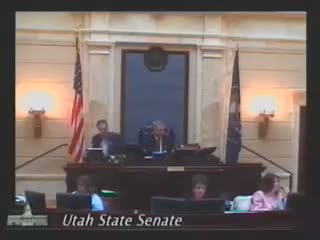
Senate approves overhaul of Justice Court appointments, education and retention
Summary
The Utah Senate passed First Substitute Senate Bill 72 to standardize Justice of the Peace (JP) selection, raise minimum education for new JPs to a bachelor’s degree, create local nominating panels and move JPs to six‑year retention elections; sponsors said the changes aim to protect judicial independence and address constitutional concerns.
The Utah Senate on Feb. 22 advanced First Substitute Senate Bill 72, a wide-ranging package of Justice Court reforms that will change how justices of the peace are selected, set new education requirements for incoming judges and create a statewide reporting requirement for JP case outcomes.
Senator Hilliard, the bill sponsor, told colleagues the amendment before the body fixes an oversight that would have required input from a county bar association in counties that lack one, and clarifies grandfathering for current judges. "Where there is no County Bar Association, we'll use the State Bar," Hilliard said when explaining the amendment.
The bill raises the minimum educational requirement for new JPs from a high‑school diploma to a four‑year college degree, but does not require a law degree, Hilliard and others emphasized. The measure moves JPs onto a retention-election schedule similar to higher judges, with retention elections every six years and a two‑stage evaluation process during the first four years to allow performance feedback before retention ballots.
SB72 also changes appointment mechanics. A local nominating panel — including local city and county officials and a county bar representative where available — will screen candidates and submit two or more names to the mayor or county executive, who will make the nomination; the local elected body would then ratify the appointment. Sponsors said the change is designed to reduce the appearance that mayors can unduly influence JPs.
The bill authorizes a common state reporting system to be implemented by 2011 so critical convictions (for example DUI convictions) are captured on the state data system. Hilliard said the bill carries a small fiscal note of about $36,000 to begin the reporting system.
Supporters, including Senator Bell, described the changes as a compromise that maintains part‑time local judges while reducing political pressure and the perception of revenue-driven local courts. Opponents and skeptical senators raised concerns about the bachelor’s‑degree requirement for small, low‑pay jurisdictions where recruiting candidates could be more difficult; Senator Dimitrych asked how a requirement for a college degree would affect towns such as Monticello, where local judges have historically had strong community ties without college degrees.
Senator Hilliard and other sponsors said the educational standard would apply to new judges beginning on a specified future date and that current judges are grandfathered in. Hilliard pledged to provide additional technical answers on retirement and pay crossover before the bill’s final reading.
After debate and amendment, the Senate recorded a roll-call showing 25 yes, 1 no and 3 absent; the bill was ordered to be read for the third time and proceed toward final passage.
The bill’s next procedural step is third reading and final passage in the Senate and transmission to the House for its consideration. Sponsors said they would follow up with clarifications regarding retirement treatment and operational details for the reporting system.